Water-Resistant vs. Standard Drywall: Scarborough Guide
· 伟哥墙面 Wei Wall Works
Understanding Drywall Types
When it comes to renovations and repairs in your townhouse, choosing the right drywall is crucial. In Scarborough, where humid summers can bring moisture-related challenges, homeowners must decide between standard drywall and water-resistant drywall. This decision can impact the longevity and durability of your walls.
What is Standard Drywall?
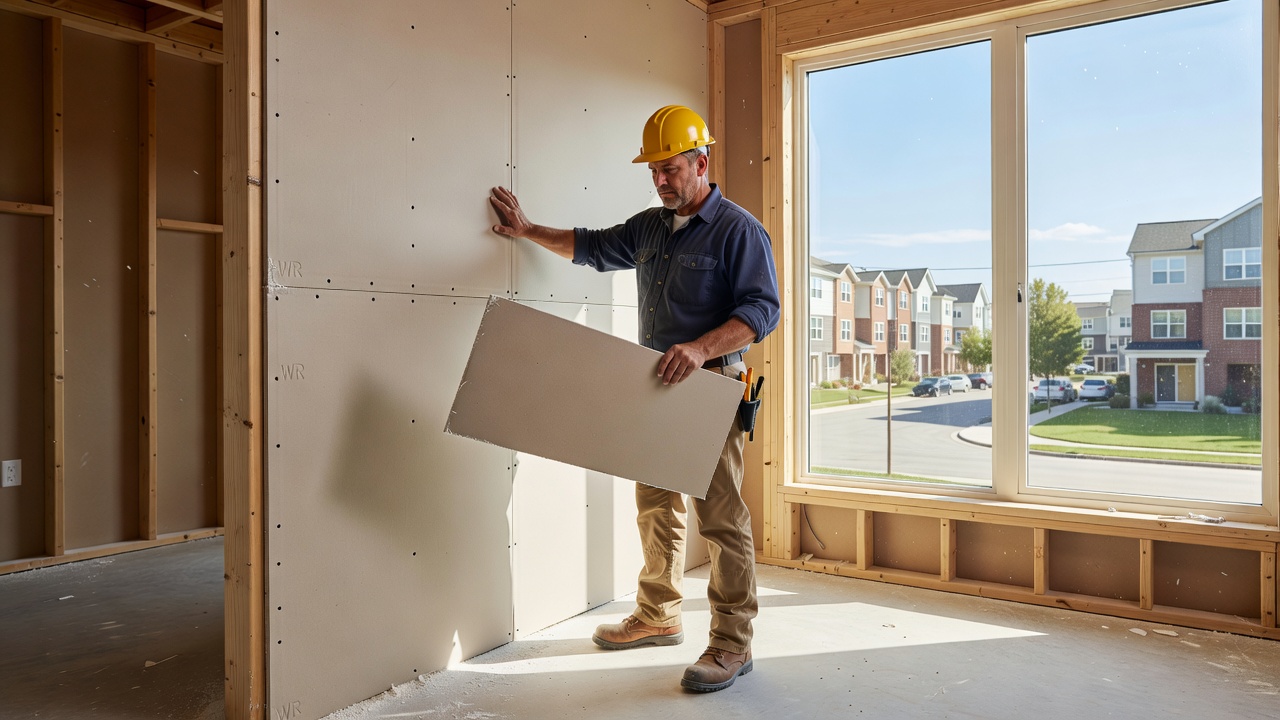
Standard drywall, also known as regular drywall, is made of gypsum sandwiched between two sheets of heavy paper. It's widely used in residential construction due to its affordability and ease of installation. However, it is susceptible to moisture damage, which can lead to mold and mildew growth, particularly in high-humidity areas like bathrooms and kitchens.
What is Water-Resistant Drywall?
Water-resistant drywall, often referred to as green board or cement board, is specifically designed for moist environments. It features a moisture-resistant core and is covered with a water-repellent paper or a cement-based material. This type of drywall is ideal for areas exposed to high humidity and moisture, such as bathrooms, laundry rooms, and basements.
Comparing Materials
Here’s a quick comparison of standard vs. water-resistant drywall:
- Cost: Standard drywall is generally less expensive than water-resistant drywall.
- Installation: Both types are relatively easy to install, but water-resistant drywall may require additional tools and techniques.
- Durability: Water-resistant drywall offers better protection against moisture and is less likely to warp or deteriorate.
- Best Uses: Standard drywall is suitable for dry areas, while water-resistant drywall is recommended for wet or humid locations.
Brands to Consider
When choosing drywall for your Scarborough home, consider reputable brands that offer quality products:
- Georgia-Pacific: Known for its reliable standard and water-resistant drywall options.
- USG Sheetrock: A popular choice for its moisture-resistant boards, which are perfect for high-humidity areas.
- National Gypsum: Offers a range of drywall products including green board and cement board options.
Installation Tips
Whether you choose standard or water-resistant drywall, proper installation is key to achieving a professional finish. Here are some tips:
- Ensure the wall studs are spaced correctly (typically 16 inches apart) for optimal support.
- Use appropriate fasteners; drywall screws are recommended for both types.
- Apply a quality joint compound and use mud and tape techniques to create a smooth surface.
- If using water-resistant drywall, ensure that edges are sealed properly to prevent moisture intrusion.
Local Considerations in Scarborough
Scarborough's climate can be humid in summer, making water-resistant drywall a wise choice for areas prone to moisture. If you live in a townhouse, consider the age of the building and its existing wall systems. Older homes may benefit significantly from the added protection of moisture-resistant materials.
Additionally, local building codes may dictate specific requirements for drywall installation in moisture-prone areas. Always check with your local authorities or a verified drywall contractor to ensure compliance.
Conclusion
Choosing between water-resistant and standard drywall ultimately depends on the specific needs of your home. If you frequently deal with moisture issues, investing in water-resistant drywall may save you from costly repairs in the future. For dry areas, standard drywall remains a cost-effective and efficient choice.
For professional Scarborough drywall installation or to learn more about Scarborough drywall repair, contact a verified pro through MaintainCenter.
FAQ
What areas of my home should use water-resistant drywall?
Water-resistant drywall is best used in bathrooms, kitchens, laundry rooms, and basements where moisture is prevalent.
Can I use standard drywall in humid areas?
While you can use standard drywall in humid areas, it is not recommended as it is prone to mold and deterioration.
How do I repair a drywall patch?
To repair a drywall patch, ensure the area is clean, apply a layer of joint compound, place tape over seams, and then smooth it out before sanding and painting.