Using Pest-Repellent Plants in Semi-Detached Front Yards ...
· maintaincenter.com
Introduction
Toronto homeowners with semi-detached houses often invest in home improvement projects to enhance curb appeal and reduce pests naturally. Using pest-repellent plants in front yards is a popular choice, but selecting the wrong types can backfire, attracting more bugs and complicating your home maintenance efforts. This article explores common mistakes made during planting, especially in Toronto’s unique climate and housing stock, and offers tips for effective pest control.
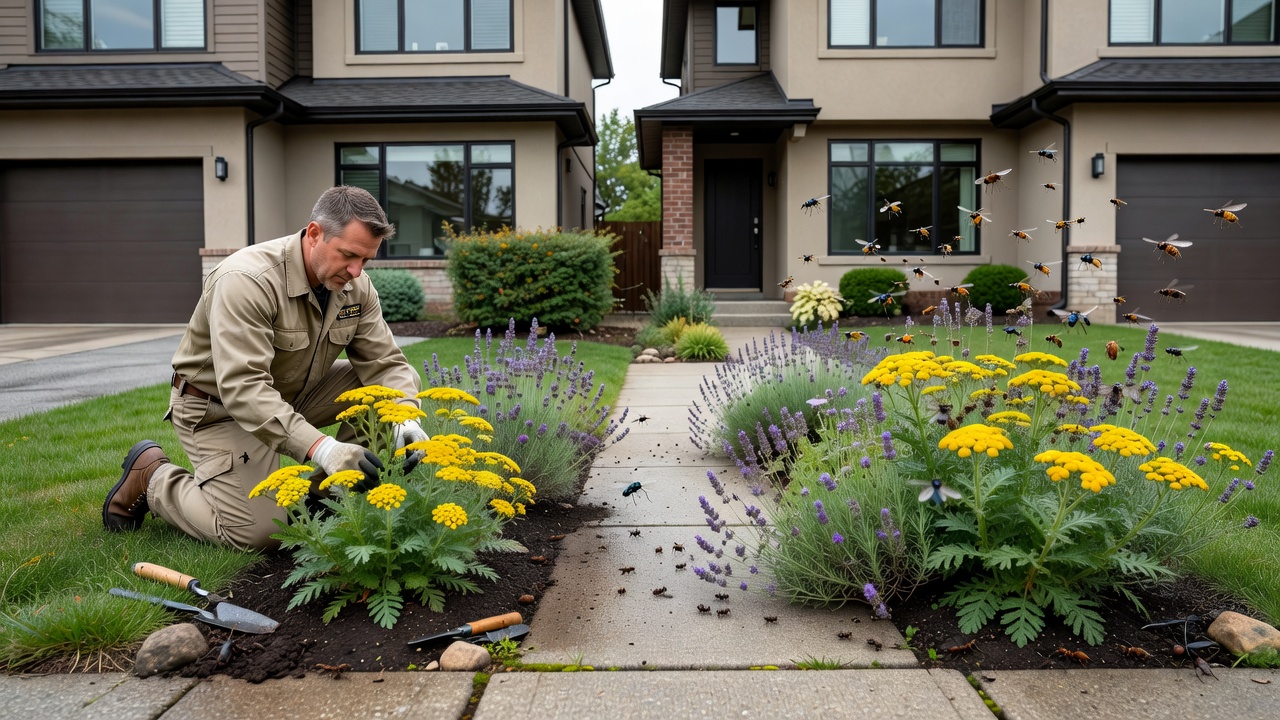
Why Choosing the Right Pest-Repellent Plants Matters
Many homeowners believe that simply planting any pest-repellent plant will keep bugs at bay. However, incorrect selections can create environments that attract unwanted insects, leading to increased pest problems and sometimes requiring costly repair service or renovations to fix damage caused by these pests. Toronto's humid summers and variable weather conditions influence which plants thrive and which invite pests.
Common Mistakes in Plant Selection
- Choosing plants that attract more insects: Some plants labeled as "pest-repellent" may attract specific pests. For example, citronella can attract aphids, and some aromatic herbs might lure certain beetles.
- Ignoring local climate conditions: Toronto’s summer humidity favors plants that resist mold but some popular pest-repellent plants do poorly here, causing decay and inviting mosquitoes.
- Overcrowding plants: Dense plantings can create moist, shaded areas perfect for pests like mosquitoes and spiders.
- Lack of diversity: Relying on a single plant species can cause pest buildup if the plant becomes susceptible.
Impact on Semi-Detached Front Yards
Semi-detached homes in Toronto have limited front yard space, making landscaping choices critical. Incorrect pest-repellent plants can cause pest migration between attached homes, causing neighborhood-wide issues. Additionally, pests attracted to your yard might find easy entry points into your home, increasing the risk of infestations that require professional pest control interventions.
How Poor Plant Choices Affect Home Maintenance
- Increased insect presence can lead to damage of wooden trims, siding, and window frames.
- Moisture-retaining plants near foundations may cause dampness and mold, leading to costly repairs.
- Persistent pests can shorten the lifespan of exterior paint and other finishes, necessitating more frequent painting and repairs.
Best Practices for Using Pest-Repellent Plants in Toronto
To optimize your semi-detached front yard for pest control and maintain its beauty, consider the following:
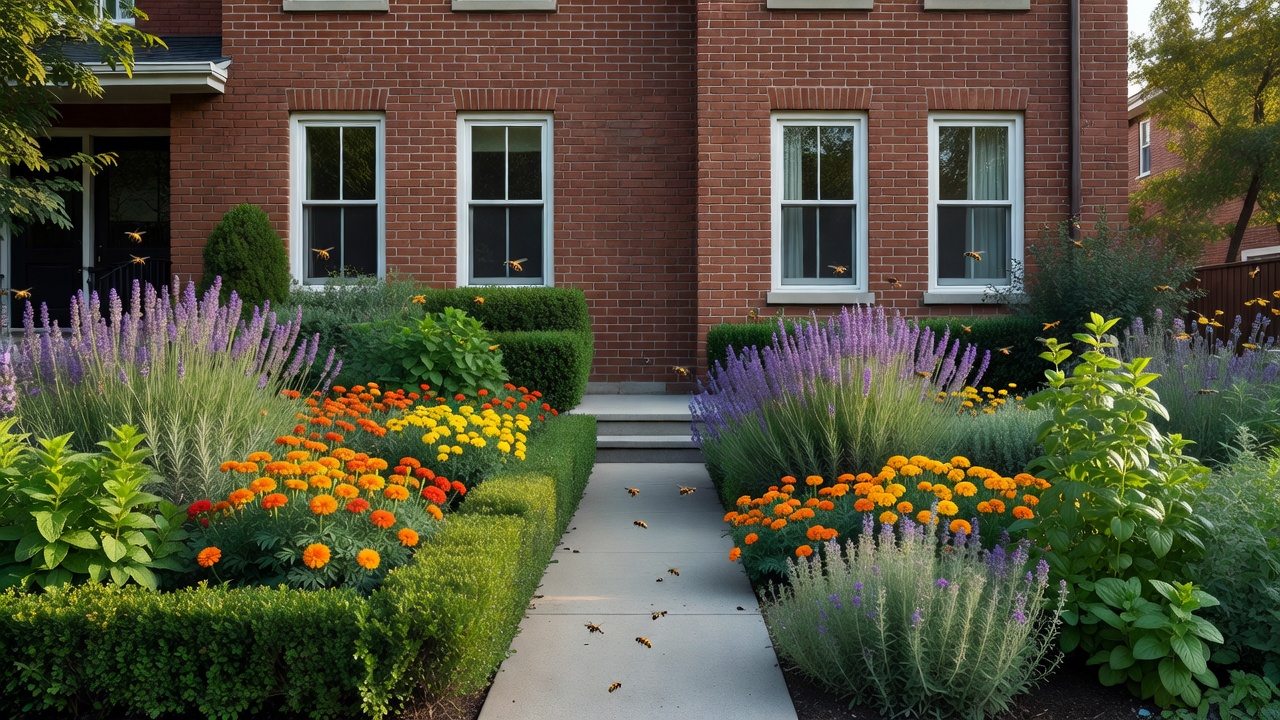
- Research native and adapted plants: Choose species known to repel pests without attracting others. Examples suitable for Toronto include lavender, marigolds, and rosemary.
- Maintain proper spacing: Avoid overcrowding to reduce humidity and allow airflow.
- Integrate plant diversity: Use a mix of pest-repellent plants to prevent pest population buildup.
- Complement with professional maintenance: Regularly inspect and repair any damage to prevent pest entry points.
When to Seek Professional Help
If pests persist despite your best landscaping efforts, contacting a verified pro in Toronto can save you time and money. Professional pest control combined with expert home maintenance can help restore your yard and home to a pest-free state.
Conclusion
Using incorrect pest-repellent plants in semi-detached front yards can inadvertently attract more bugs, complicating your efforts in home improvement and maintenance. Toronto homeowners should consider local climate, plant selection, and proper yard care to avoid these pitfalls. For complex issues, professional repair service and pest control are recommended. Contact a verified pro through MaintainCenter.
FAQ
What types of plants should Toronto semi-detached homeowners avoid?
Avoid plants that attract specific pests common in Toronto, such as citronella if you notice aphid issues, and dense shrubs that retain moisture near the house foundation.
Can pest-repellent plants replace professional pest control?
While helpful, pest-repellent plants are best used as part of an integrated approach including professional pest control and regular home maintenance.
How does Toronto’s climate affect pest-repellent plant choices?
Toronto’s humid summers and cold winters require plants that can survive these conditions without harboring pests or diseases that attract bugs.
What maintenance should I perform to complement pest-repellent plants?
Regular pruning, removing dead foliage, and inspecting for pest damage help maintain plant health and reduce pest attraction.
Where can I find professional help for pest issues in Toronto?
You can find verified professionals for pest control, painting, and other home maintenance services through MaintainCenter.