Checklist for Meeting Toronto's Building Codes During You...
· maintaincenter.com
Understanding Toronto's Building Codes
As the fall season approaches, many residents in Toronto are gearing up for a move. Whether you're relocating to a new apartment or condo, it's crucial to ensure that your move complies with Toronto's building codes. This checklist will help you navigate the necessary requirements to avoid any potential fines or issues with your Toronto moving service.

1. Obtain Necessary Permits
Before the moving day arrives, check if you need any permits. In Toronto, moving companies might require permits to park near your building or to occupy public space. Here’s how to ensure you have the right permits:
- Contact your building management to understand their requirements.
- Visit the City of Toronto’s website to apply for moving permits.
- Ensure your moving company is aware of and compliant with these regulations.
2. Hire a Reputable Moving Company
Choosing a reliable moving company is essential for a smooth transition. Look for Toronto movers who have experience with residential moves and understand local regulations. Check their reviews and ensure they offer the services you need, including:
- Furniture moving
- Junk removal services for decluttering
- Insurance coverage for your belongings
3. Plan for Elevator Usage
If you live in a condo or apartment, you may need to reserve the elevator for your moving day. This is especially important in high-rise buildings:
- Book the elevator in advance through your building management.
- Check if any protective measures are needed to prevent damage.
- Make sure your moving service is aware of the timing and procedures.
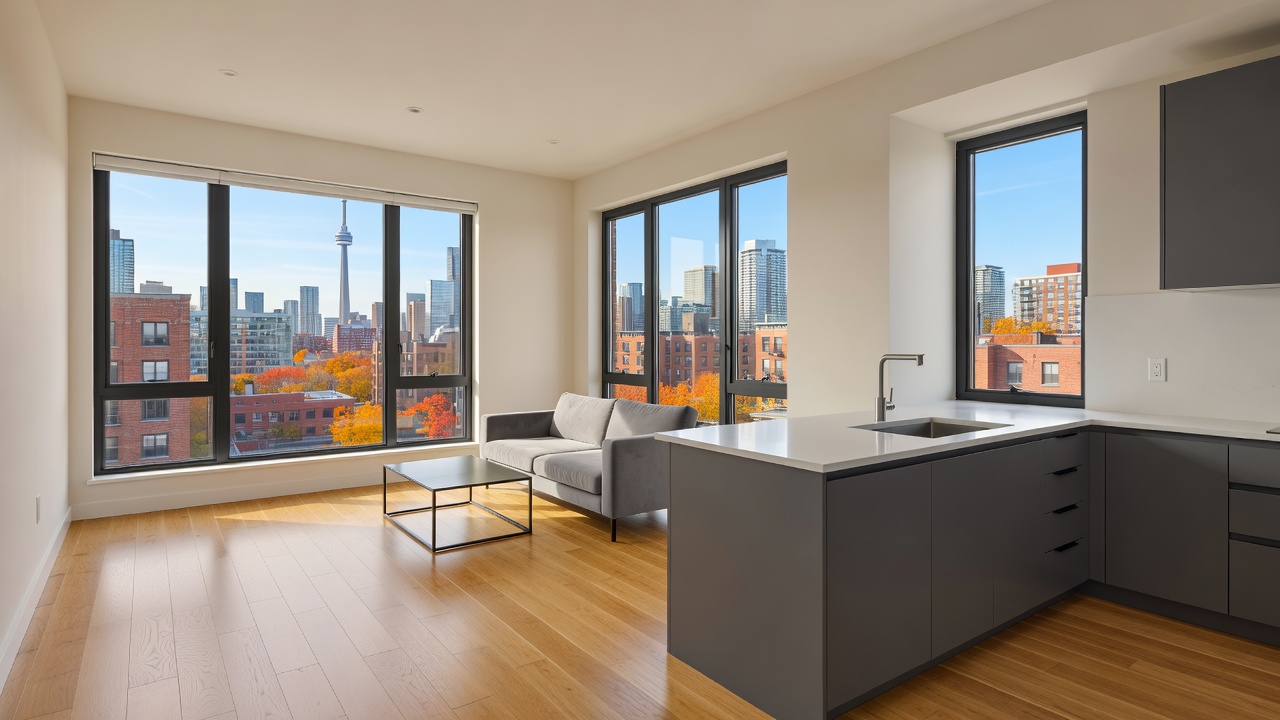
4. Prepare Your Space
Before your Toronto furniture moving day, prepare your space to comply with building codes:
- Clear hallways and common areas to facilitate smooth movement.
- Ensure your furniture will fit through doorways and hallways.
- Check for any local zoning regulations that may affect your move.
5. Consider the Weather
Fall in Toronto can be unpredictable, with rain and cold temperatures. Make sure to:
- Keep an eye on the weather forecast leading up to your moving day.
- Prepare for wet conditions by having protective coverings for your furniture.
- Have a backup plan in case of inclement weather affecting your move.
6. Post-Move Inspections
After your move, it’s a good idea to conduct a post-move inspection of your new space. Check for any damage that may have occurred during the move and report it to your building management. This will help you stay compliant and maintain good relations with your neighbors.
Conclusion
By following this checklist, you can ensure that your fall move in Toronto goes smoothly and remains compliant with local building codes. Remember to plan ahead, communicate with your moving service, and prepare your new home for a seamless transition.
For more assistance with your move, consider professional services like Toronto plumbing services or Toronto electrical services to help you settle into your new home.
FAQ
Do I need a permit for my move in Toronto?
Yes, you may need a permit, especially if your moving vehicle occupies public space or blocks access to the building.
What services do Toronto movers typically offer?
Toronto movers usually offer packing, loading, transportation, unloading, and sometimes junk removal services.
How can I prepare my apartment for moving day?
Clear common areas, reserve elevators, and ensure that all furniture can fit through doorways.
What should I do if it rains on my moving day?
Have protective coverings for your furniture and be prepared for slippery conditions. Consider rescheduling if the weather is severe.
How can I find a reliable moving company in Toronto?
Research online reviews, ask for recommendations, and ensure the moving company has the necessary licenses and insurance.