Protect Semi-Detached Foundations from Summer Water Damag...
· maintaincenter.com
Why Foundation Protection Matters for GTA Semi-Detached Homes
Semi-detached homes, common in Toronto and the Greater Toronto Area (GTA), share walls but have separate foundations. During the summer months, heavy rains and sudden downpours combined with Toronto’s clay-rich soil can lead to water pooling around your foundation. Without proper grading and drainage, this moisture can cause foundation damage, basement flooding, and costly repairs.
Understanding how to protect your semi-detached home’s foundation from summer water damage is vital. Homeowners often face the choice between tackling grading and drainage improvements themselves or calling a contractor. Both approaches have pros and cons — and knowing when to DIY versus hire an expert can save money, stress, and future headaches.
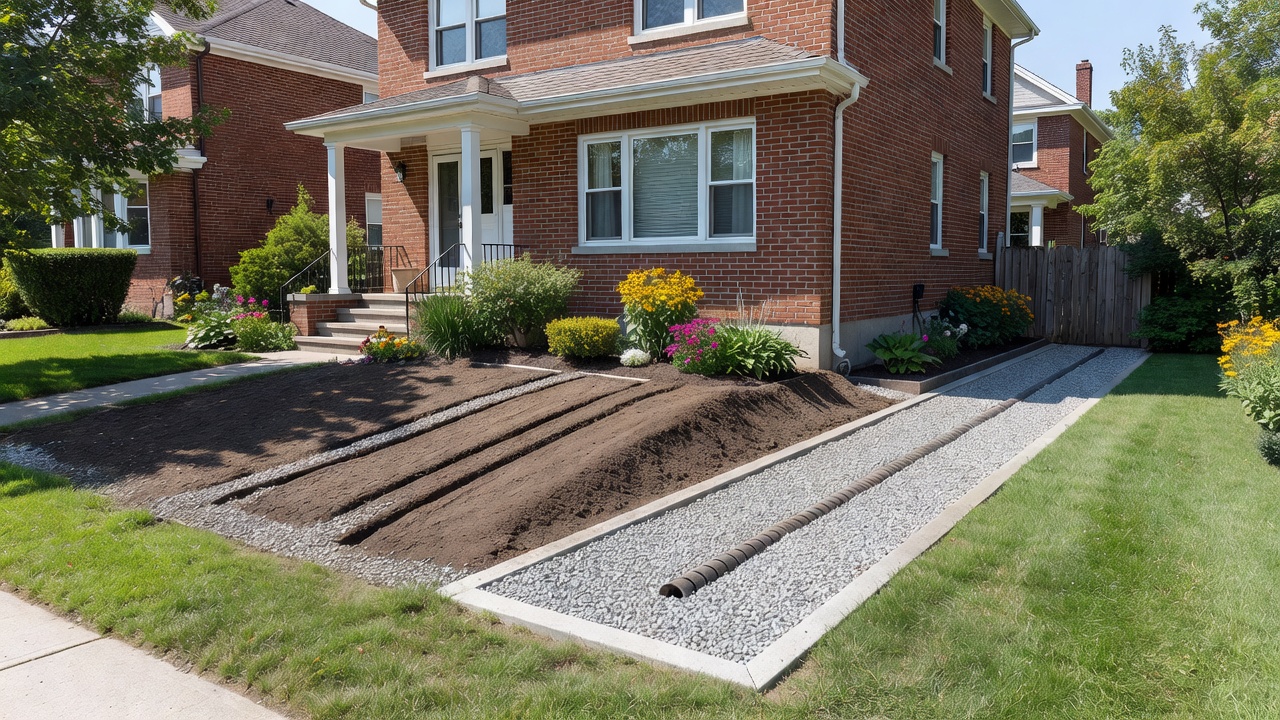
DIY Grading and Drainage Improvements: What You Can Do
If you’re comfortable with basic home maintenance and have a small budget, some grading and drainage improvements can be done yourself. Here are the key DIY steps:
1. Check and Adjust Soil Grading
- Slope away from foundation: Ensure the soil around your foundation slopes downward at least 6 inches over 10 feet to direct water away.
- Fill low spots: Use clean soil to fill any depressions where water pools near your foundation.
- Consider Toronto soil types: Clay soil common in GTA retains water; mixing in sand or organic matter can improve drainage.
2. Clean and Extend Downspouts
- Clear gutters and downspouts: Remove debris regularly to prevent overflow.
- Downspout extensions: Install extensions to discharge water at least 3-4 feet from the foundation.
3. Install Surface Drainage Solutions
- French drains: Shallow DIY French drains can redirect surface water.
- Gravel beds: Create gravel trenches near problem areas for better water absorption.
These methods can be effective for minor grading issues and moderate rainfall. However, for more complex drainage challenges or structural concerns, professional intervention is recommended.
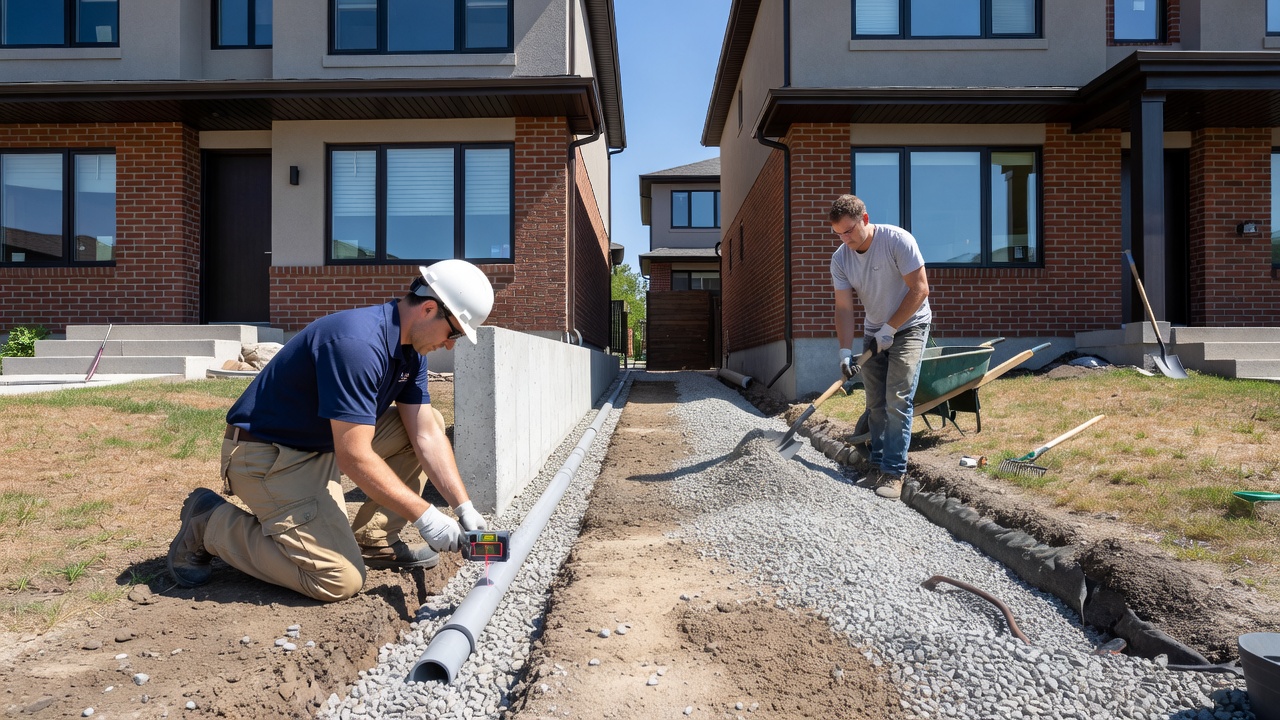
When to Call a Contractor: Professional Grading and Drainage Solutions
Hiring a contractor is often necessary when DIY efforts don’t fully address water problems or when the damage risk is significant. Here are scenarios and reasons to call an expert:
1. Persistent Water Pooling and Basement Moisture
If you notice standing water that doesn’t drain properly or basement dampness despite your DIY fixes, it’s time for a professional assessment. Contractors use specialized equipment to diagnose drainage flaws and can implement tailored solutions.
2. Complex Grading Adjustments
Regrading a semi-detached lot in the GTA may require heavy equipment and knowledge of local soil conditions, municipal codes, and neighboring property lines. Professionals ensure proper slope and avoid drainage conflicts with adjoining homes.
3. Installing Subsurface Drainage Systems
French drains, weeping tiles, and sump pumps require expert installation to effectively protect foundations. Mistakes can cause more harm or violate Toronto building regulations.
4. Foundation Repairs and Waterproofing
If water damage has already compromised your foundation, contractors can provide repairs and waterproofing coatings that are beyond DIY capabilities.
Comparing Costs and Benefits: DIY vs Hiring a Pro
| Aspect | DIY Improvements | Professional Services |
|---|---|---|
| Cost | Low materials cost, but time-intensive | Higher upfront cost; may save money long-term |
| Effectiveness | Good for minor issues | Comprehensive, lasting solutions |
| Risk | Possible incomplete fixes; may worsen problems | Lower risk; backed by expertise and warranties |
| Time | Flexible but can be slow | Faster with professional crews |
For many Toronto semi-detached homeowners, a hybrid approach works best: start with DIY maintenance like gutter cleaning and minor grading, then call a pro if problems persist or for complex work.
Toronto-Specific Considerations for Foundation Water Protection
Toronto’s climate features hot, humid summers with sudden heavy rainstorms. The city’s clay soils expand when wet and shrink when dry, stressing foundations. Older semi-detached homes may have outdated drainage systems or grading issues from previous renovations.
Local building codes require proper drainage to prevent water damage and protect neighboring properties. Hiring a licensed contractor familiar with Toronto regulations ensures compliance and protects your investment.
Additional Home Maintenance Tips for Summer
- Regularly inspect your foundation and basement for cracks or moisture.
- Maintain gutters and downspouts, especially before summer storms.
- Consider professional landscaping services to improve yard drainage and soil composition.
- Check sump pumps and backup systems if installed.
Learn more about landscaping services and handyman services available in Toronto to keep your home protected year-round.
FAQ
How often should I check my home’s grading and drainage?
It’s best to inspect grading and drainage at least twice a year—in spring and late summer—especially after heavy rains.
Can I install a French drain myself around a semi-detached home?
DIY French drains are possible for small areas, but professional installation is advised for proper slope, materials, and to avoid impacting shared walls or properties.
What signs indicate foundation water damage?
Signs include basement dampness, musty odors, visible cracks in walls or foundation, and uneven floors.
Does Toronto have specific codes related to foundation drainage?
Yes, Toronto’s building codes regulate lot grading and drainage to prevent water runoff onto neighboring properties and protect foundations.
When should I upgrade my home’s drainage system?
If you experience frequent water pooling, basement leaks, or if your home is older with outdated drainage, consider professional upgrades.
Contact a verified pro through MaintainCenter.