Native Plant Xeriscaping for Low-Maintenance Front Yards ...
· maintaincenter.com
Introduction to Native Plant Xeriscaping in the GTA
Toronto and the Greater Toronto Area (GTA) homeowners often seek landscaping solutions that blend beauty, sustainability, and practicality. Native plant xeriscaping offers an excellent way to create low-maintenance, water-efficient front yards well-suited to the local climate and urban housing stock. Xeriscaping emphasizes drought-resistant plants and minimal irrigation, aligning perfectly with Toronto’s summer weather and water conservation goals.
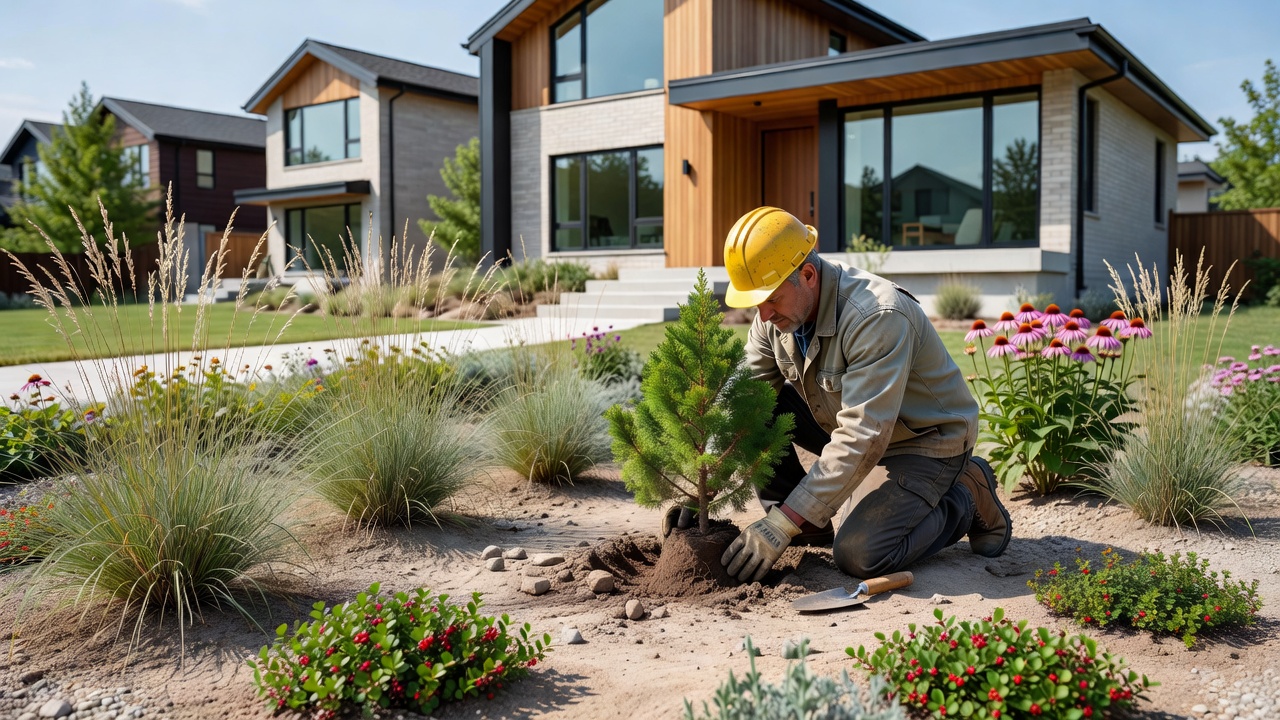
Why Choose Native Plants for Xeriscaping?
Native plants are naturally adapted to the GTA’s climate, soil, and precipitation patterns. This means they require far less water, fertilizer, and pesticides than non-native species. Incorporating these plants into your front yard not only reduces maintenance efforts but also supports local biodiversity and pollinators such as bees and butterflies.
- Climate resilience: Native species thrive during Toronto’s hot summers and cold winters.
- Water efficiency: They need less supplemental irrigation, conserving water resources.
- Soil compatibility: Adapted roots improve soil health and reduce erosion.
- Wildlife support: Native plants provide food and habitat for local fauna.
Top Native Plants for GTA Xeriscaping
Consider these native species to create an attractive, eco-friendly front yard:
- Black-eyed Susan (Rudbeckia hirta): Bright yellow flowers that bloom through summer and attract pollinators.
- Wild Bergamot (Monarda fistulosa): Aromatic purple flowers loved by bees and butterflies.
- Little Bluestem (Schizachyrium scoparium): A native grass that adds texture and requires minimal water.
- New England Aster (Symphyotrichum novae-angliae): Provides late-season color and supports pollinators.
- Red-osier Dogwood (Cornus sericea): A shrub with striking red stems, great for borders.
Design Tips for Low-Maintenance Xeriscaping
To maximize your front yard’s eco-friendliness and reduce upkeep, follow these landscaping principles:
- Group plants by water needs: Place drought-tolerant plants together to optimize irrigation.
- Use mulch: Apply organic mulch to retain moisture and suppress weeds.
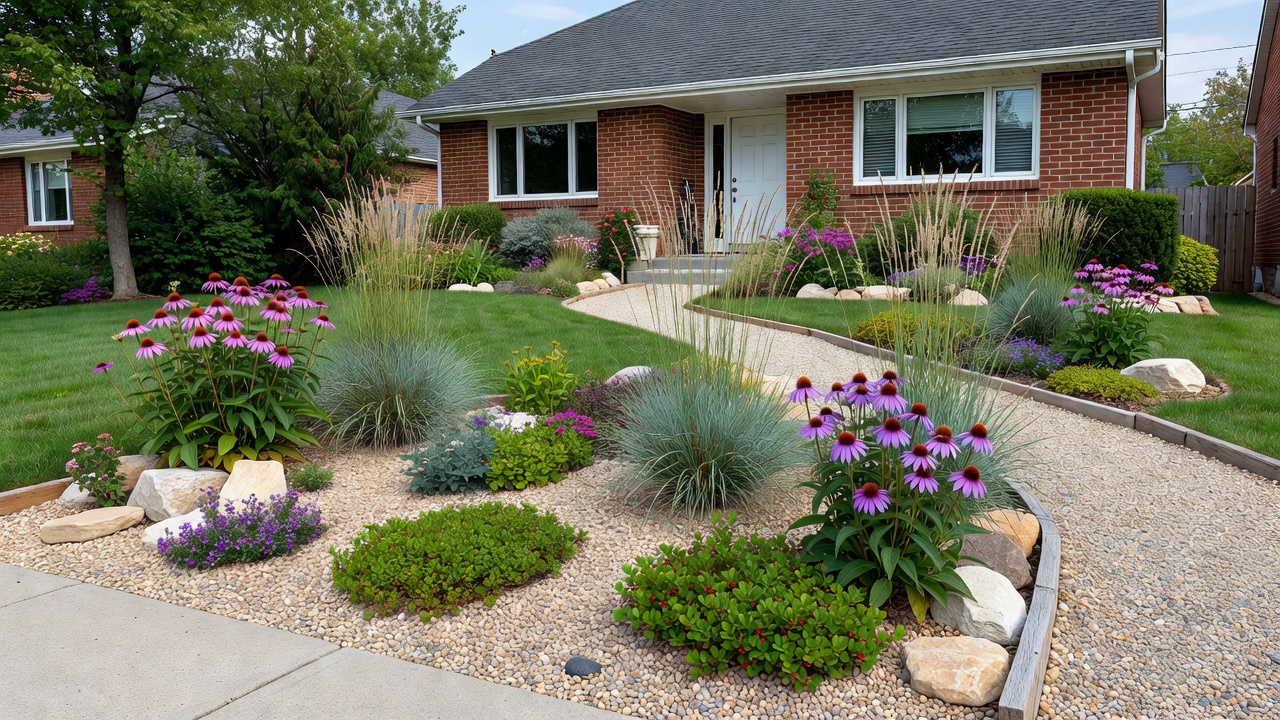
- Minimize lawn area: Replace turf with native groundcovers or ornamental grasses.
- Incorporate hardscaping: Use rocks, permeable pavers, or gravel paths to reduce water use and add visual interest.
- Plan for seasonality: Choose plants with staggered bloom times for year-round appeal.
Energy Efficiency and Eco-Friendly Benefits
Native plant xeriscaping can also improve your home's energy efficiency. By planting shade trees and shrubs strategically, you can reduce heat gain on your home’s exterior during hot summers, lowering cooling costs. Additionally, healthy soil and plants help manage stormwater runoff, reducing strain on municipal systems and lowering your environmental footprint.
Compliance with Toronto Landscape and Watering Regulations
Toronto encourages water conservation and sustainable landscaping through bylaws and guidelines. Xeriscaping with native plants aligns with these policies by minimizing outdoor water use and reducing chemical inputs. Always check local regulations on planting near sidewalks, property lines, and utilities to ensure compliance.
Getting Started and Maintaining Your Xeriscape
Begin by assessing your front yard’s sun exposure, soil type, and existing vegetation. Consulting with a professional landscaping service can help you design an optimal xeriscape tailored to your property. Once installed, maintenance generally involves seasonal pruning, occasional watering during dry spells, and debris removal.
For homeowners in the GTA seeking trusted expertise, consider connecting with verified pros for landscaping services. They can assist with plant selection, installation, and long-term care to ensure your xeriscape flourishes.
Integrating native plant xeriscaping is a smart, sustainable choice for Toronto detached homes. It reduces water consumption, lowers maintenance costs, and enhances curb appeal while supporting local ecosystems.
FAQ
What are the best native plants for Toronto front yards?
Plants like Black-eyed Susan, Wild Bergamot, Little Bluestem, and Red-osier Dogwood thrive in Toronto’s climate and are excellent for xeriscaping.
How much water can I save with a native plant xeriscape?
Xeriscaping can reduce outdoor water use by up to 50-75% compared to traditional lawns, depending on plant choices and irrigation methods.
Can xeriscaping improve my home’s energy efficiency?
Yes, strategically placed native trees and shrubs provide shade and wind protection, lowering heating and cooling costs.
Do I need a permit to change my landscaping in Toronto?
Usually, no permit is required for planting native plants, but check local bylaws for restrictions near sidewalks or heritage properties.
Where can I find professionals to help with xeriscaping?
You can hire verified landscaping professionals through MaintainCenter to design and install your native plant xeriscape.
Contact a verified pro through MaintainCenter.