Gutter Guards for Detached Homes in Toronto: Mesh vs Reve...
· maintaincenter.com
Introduction
For owners of detached homes in Toronto, managing summer debris in gutters is a critical part of regular home maintenance. Toronto’s climate, characterized by warm summers and occasional storms, often results in leaves, twigs, and other debris clogging gutters. Investing in effective gutter guards can save you time and money by reducing the frequency of repair service calls and avoiding costly water damage. Two of the most popular options are mesh and reverse curve gutter guards. This article compares these materials and brands to help you make an informed decision for your home improvement or renovation project.
Why Gutter Guards Matter for Toronto Detached Homes
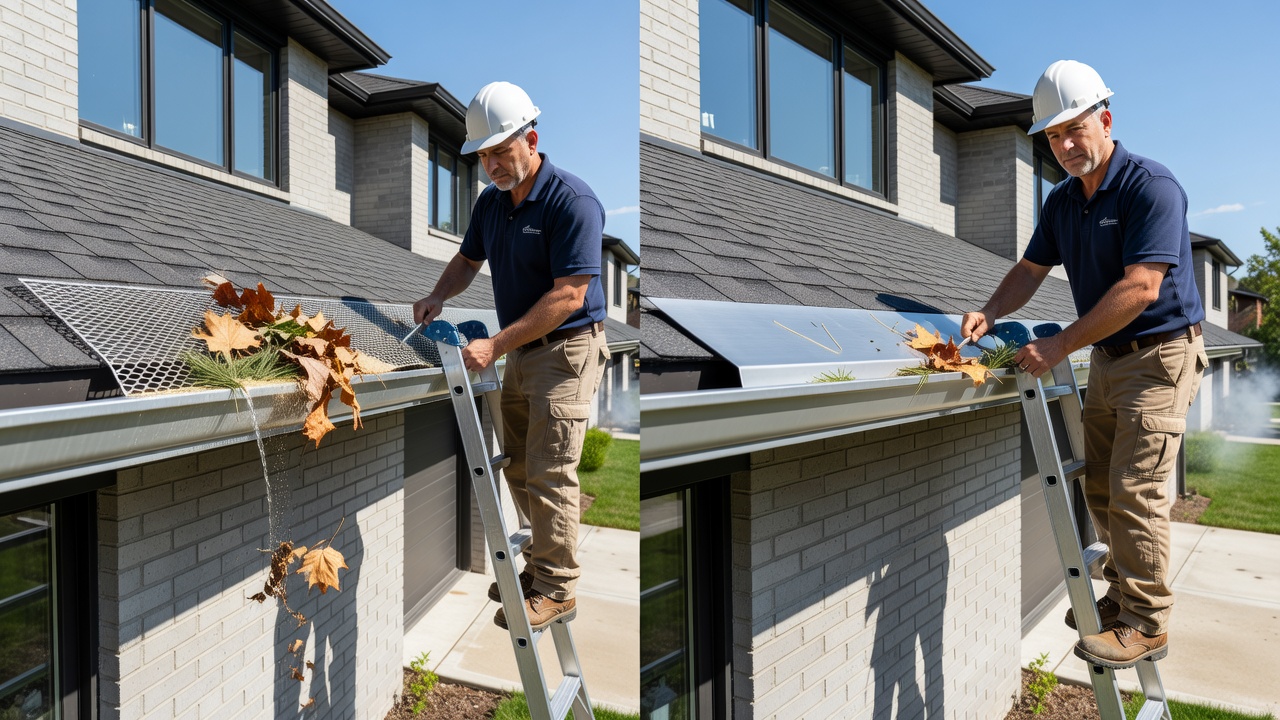
Toronto’s housing stock is predominantly composed of detached homes with traditional sloped roofs and standard gutters. Summer debris, including dried leaves and small branches, can accumulate quickly, causing blockages. Clogged gutters can lead to water overflow, damaging your home’s foundation, siding, and landscaping. Installing gutter guards is a smart home maintenance strategy to prevent these issues and reduce the need for frequent gutter cleaning and repairs.
Mesh Gutter Guards
Materials and Brands
Mesh gutter guards are typically made from stainless steel or aluminum screens that cover gutters to block debris while allowing water to flow through. Popular brands in Toronto include LeafFilter, Gutterglove, and Amerimax.
Advantages
- Effective debris filtration: Fine mesh screens prevent even small debris like pine needles from entering the gutters.
- Durability: Stainless steel mesh resists corrosion, ideal for Toronto’s humid summers and winter freeze-thaw cycles.
- Low maintenance: Requires minimal cleaning once installed.
Disadvantages
- Installation cost: Can be higher due to professional fitting.
- Potential clogging: Fine mesh can clog if not cleaned periodically, reducing water flow.
Reverse Curve Gutter Guards
Materials and Brands
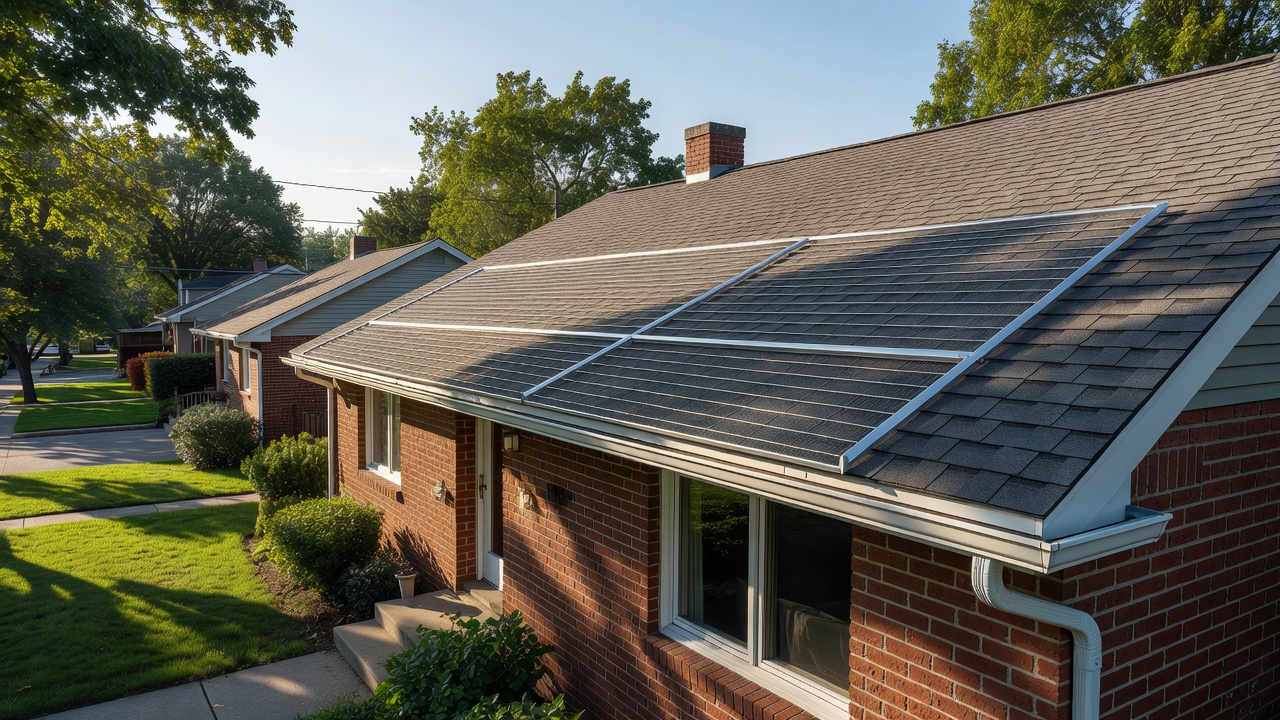
Reverse curve guards are usually made from aluminum or vinyl and designed with a curved surface that directs water downward into the gutter while debris falls off the edge. Common brands found in Toronto are LeafGuard and Amerimax.
Advantages
- Self-cleaning design: The curved surface encourages debris to fall to the ground rather than accumulate.
- Visible and sturdy: Typically made of solid materials that handle heavy rain well.
Disadvantages
- Installation complexity: Requires precise roof and gutter alignment; professional installation is essential.
- Potential water overshoot: In heavy rain, water may overshoot the gutter if not properly installed.
- Aesthetic impact: More visible on roof edges, which may affect curb appeal.
Comparing Mesh vs Reverse Curve for Toronto Summer Debris
In Toronto’s summer conditions, where dry leaves and twigs dominate the debris profile, mesh guards tend to perform better in filtering fine material. However, reverse curve guards offer the advantage of less frequent cleaning due to their design directing debris away from gutters. Consider the following factors:
- Debris type: Mesh is superior for fine debris like pine needles; reverse curve works well for larger leaves.
- Maintenance: Reverse curve may require less frequent cleaning but needs careful installation.
- Durability: Mesh guards with stainless steel last longer against Toronto’s weather extremes.
- Cost: Mesh guards can be more expensive upfront but may reduce long-term repair service needs.
Installation and Professional Services
Proper installation is vital to ensure effectiveness. Many Toronto homeowners combine gutter guard installation with other roofing or handyman services during home renovation or repair service projects. Professionals can assess your roof pitch, gutter type, and local code requirements to recommend the best gutter guard type and brand.
Conclusion
For detached homes in Toronto, choosing between mesh and reverse curve gutter guards depends on your specific needs for summer debris management, budget, and maintenance preferences. Mesh guards offer fine filtration and durability, while reverse curve guards provide a self-cleaning design with visual impact. Both can significantly improve your home’s protection and reduce repair service frequency.
Contact a verified pro through MaintainCenter for expert home maintenance and home improvement solutions tailored to Toronto’s unique climate and housing stock.
FAQ
Which gutter guard type is better for Toronto’s summer debris?
Mesh gutter guards are generally better for filtering the fine summer debris common in Toronto, such as pine needles and small leaves, while reverse curve guards excel at shedding larger leaves.
Can I install gutter guards myself?
While DIY installation is possible, professional installation ensures proper fit, adherence to building codes, and maximizes the effectiveness of the gutter guards.
Do gutter guards eliminate the need for gutter cleaning?
Gutter guards significantly reduce the frequency of cleaning but do not eliminate it entirely. Occasional maintenance is recommended to keep them functioning optimally.
Will gutter guards affect my home’s appearance?
Mesh guards are less visible and blend with gutters, while reverse curve guards are more noticeable and may impact curb appeal depending on design and color.
How do I choose the right brand for my home?
Consider materials, warranty, durability, and customer reviews. Consult with professionals familiar with Toronto’s climate and housing styles for the best recommendation.