GTA Townhouse Exterior Caulking in Summer: DIY vs Expert ...
· maintaincenter.com
Why Exterior Caulking Matters for GTA Townhouses
Townhouses in the Greater Toronto Area (GTA) face unique weather challenges due to the region’s humid summers and cold winters. Proper exterior caulking seals gaps and joints around windows, doors, siding, and trim to prevent water infiltration, drafts, and energy loss. Especially in summer, when humidity and rain are common, maintaining your townhouse’s caulking preserves structural integrity and helps avoid costly repairs later.
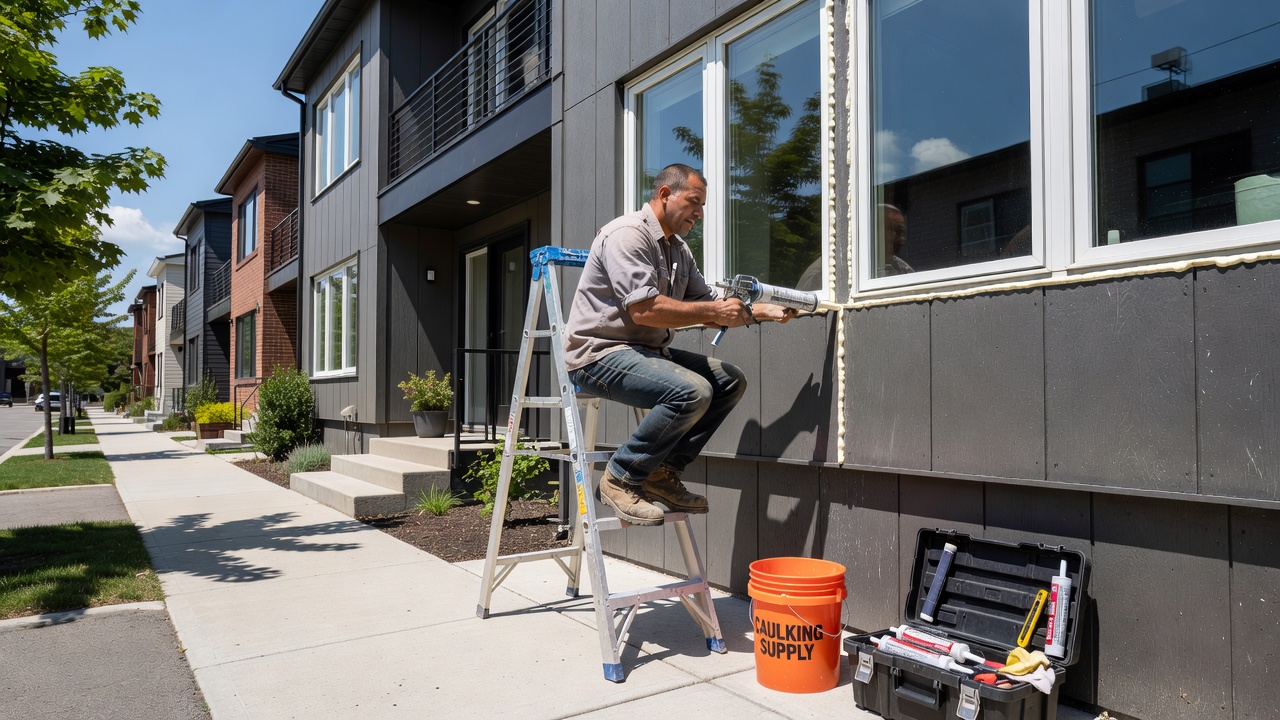
DIY Exterior Caulking: When and How to Do It
Ideal Summer Conditions for Caulking
Summer in Toronto provides warm, dry conditions ideal for caulking because caulks cure best when temperatures are between 10°C and 32°C (50°F and 90°F). Avoid caulking on rainy or extremely hot days, as this can cause poor adhesion or cracking.
Tools and Materials Needed
- High-quality exterior-grade caulk (silicone or polyurethane)
- Caulking gun
- Utility knife or scraper to remove old caulk
- Cleaning brush or rag
- Painter’s tape (optional for neat lines)
- Gloves and safety glasses
Step-by-Step DIY Caulking Process
- Inspect and clean: Examine all exterior joints for cracks or gaps. Remove old, cracked, or peeling caulk with a utility knife or scraper. Clean the area thoroughly to remove dirt and debris.
- Prepare the surface: Ensure the surface is dry and free of moisture. Use painter’s tape for straight, clean edges if desired.
- Apply the caulk: Cut the caulk tube tip at a 45-degree angle to match the gap size. Load the tube into the caulking gun and apply steady pressure, running a continuous bead along the joint.
- Smooth the bead: Wet your finger or a caulk finishing tool and smooth the bead to ensure good adhesion and a neat finish.
- Clean up: Remove painter’s tape promptly and wipe away excess caulk. Allow the caulk to cure fully according to product instructions.
When to Call the Experts for Exterior Caulking
While many townhouse owners can tackle caulking themselves, certain situations warrant professional attention to ensure safety and quality:
- Large or complex repairs: Extensive deterioration or multiple damaged areas require expert assessment.
- Hard-to-reach areas: High windows or multi-storey sections may need scaffolding and professional tools.
- Persistent water damage: If you notice mold, rot, or leaks despite caulking, experts can diagnose underlying issues.
- Incorrect previous repairs: Poorly applied caulking that continues to fail is best redone by professionals.
Hiring a pro ensures the use of the right materials, proper surface preparation, and code-compliant work that extends your townhouse’s lifespan.
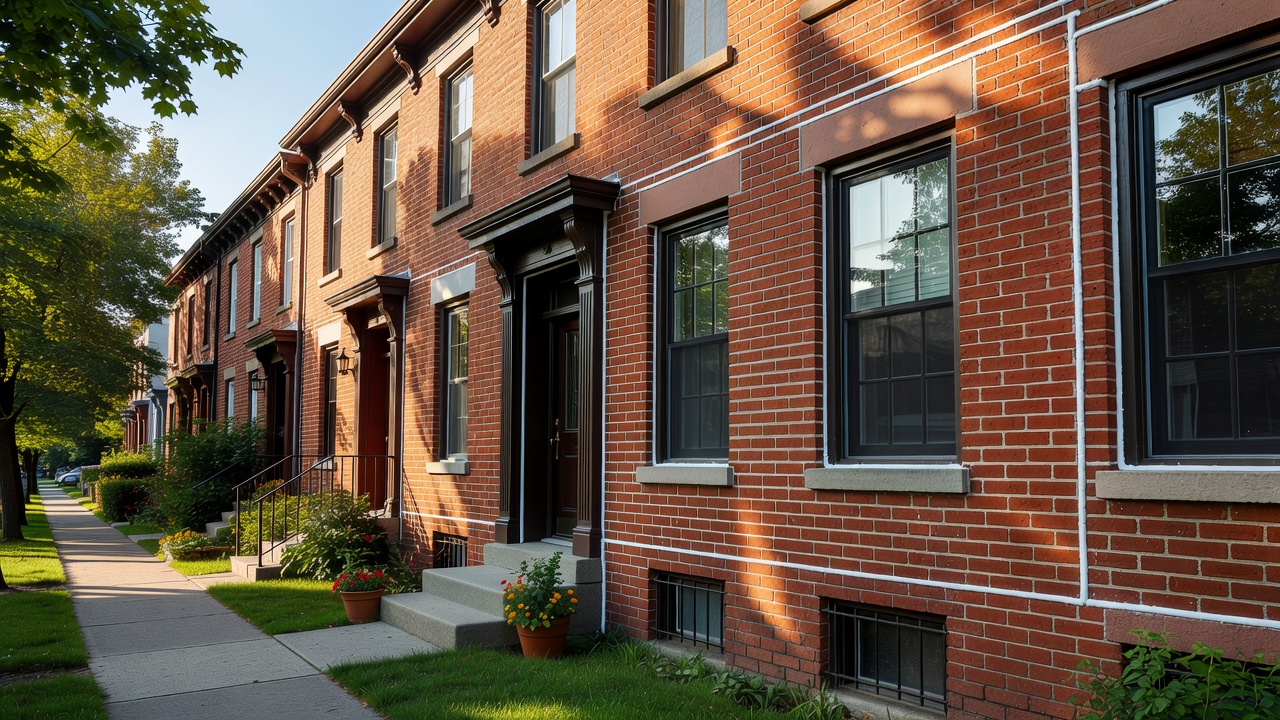
Toronto Climate and Housing Stock Considerations
GTA townhouses, often built with wood, brick, or vinyl siding, require caulking compatible with these materials and able to withstand freeze-thaw cycles common in Toronto winters. Summer caulking prevents moisture intrusion during humid months, reducing risks of mold and damage. Additionally, local building codes may regulate materials and methods for exterior maintenance, which professionals are well-versed in.
Additional Maintenance Tips
- Regularly inspect your townhouse exterior at least twice a year, ideally spring and fall.
- Complement caulking with weatherstripping and exterior painting to maximize protection.
- For related townhouse maintenance needs, consider professional roofing or handyman services to address any structural or finish issues.
FAQ
What type of caulk is best for exterior townhouse use in the GTA?
Use exterior-grade silicone or polyurethane caulks designed for durability, flexibility, and weather resistance suitable for Toronto’s climate.
How often should I re-caulk my townhouse exterior?
Typically, exterior caulking lasts 5-10 years but inspect annually for cracks or gaps and touch up as needed.
Can I caulk over old caulk?
No, old caulk should be completely removed to ensure proper adhesion of new material.
Is summer the only season suitable for exterior caulking?
Summer is ideal due to warm, dry conditions, but spring and early fall can also work if temperatures and weather are favorable.
How do I know if I should call a professional?
If the damage is extensive, areas are hard to reach, or previous repairs fail, it’s best to consult an expert.
Contact a verified pro through MaintainCenter.