DIY Brake Inspection for Summer Getaways in Scarborough
· 伟哥墙面 Wei Wall Works
Introduction
As summer approaches, many homeowners in Scarborough are gearing up for road trips and adventures. Before you hit the road, it's crucial to ensure your vehicle is in top condition, especially the brakes. A DIY brake inspection can save you time and money, and provide peace of mind as you travel. In this guide, we'll walk you through a step-by-step process for inspecting your brakes, ensuring you’re ready for those late summer getaways.
Tools You Will Need
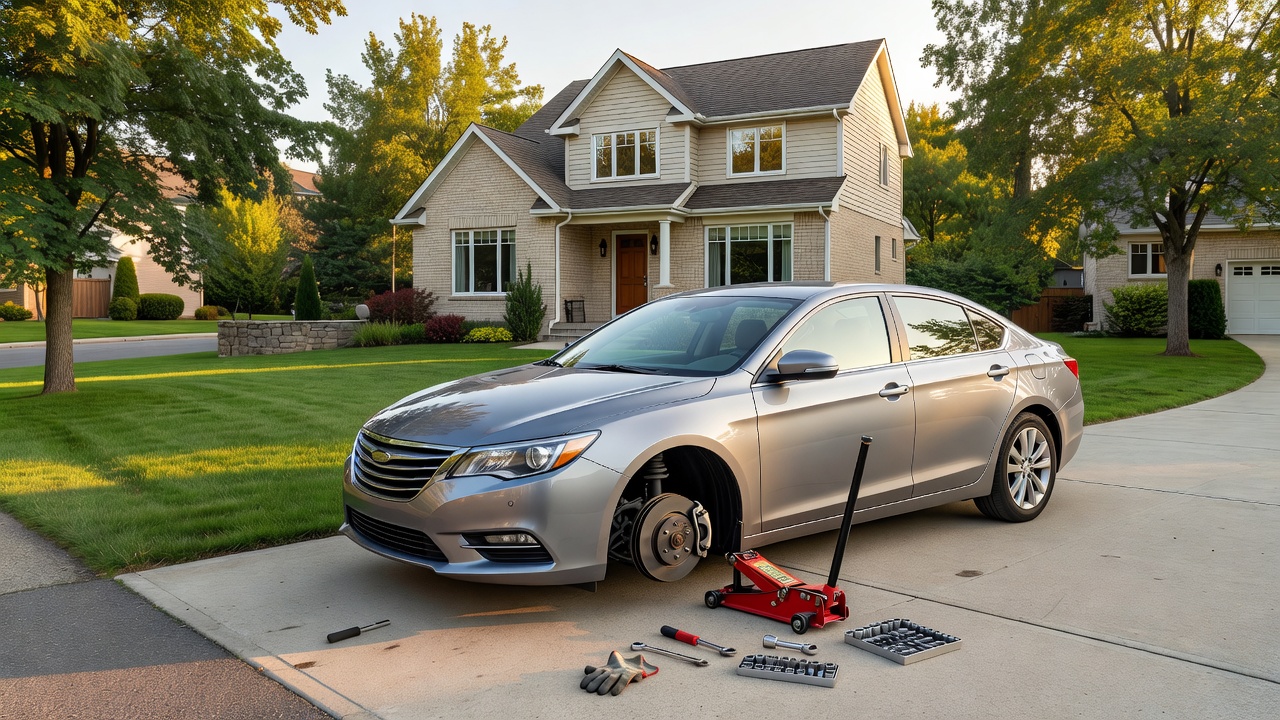
- Jack and jack stands
- Torque wrench
- Brake cleaner
- Wire brush
- New brake pads (if necessary)
- Gloves and safety goggles
- Flashlight
- Brake fluid (to check levels)
Step 1: Prepare Your Vehicle
Before starting your inspection, park your vehicle on a flat surface and engage the parking brake. Ensure you have enough space to work around your car. Gather all the tools you'll need, and put on your gloves and safety goggles.
Step 2: Lift the Vehicle
Using the jack, lift the front or rear of your vehicle, depending on which brakes you want to inspect. Make sure to use jack stands to secure the vehicle and prevent any accidents.
Step 3: Inspect Brake Pads
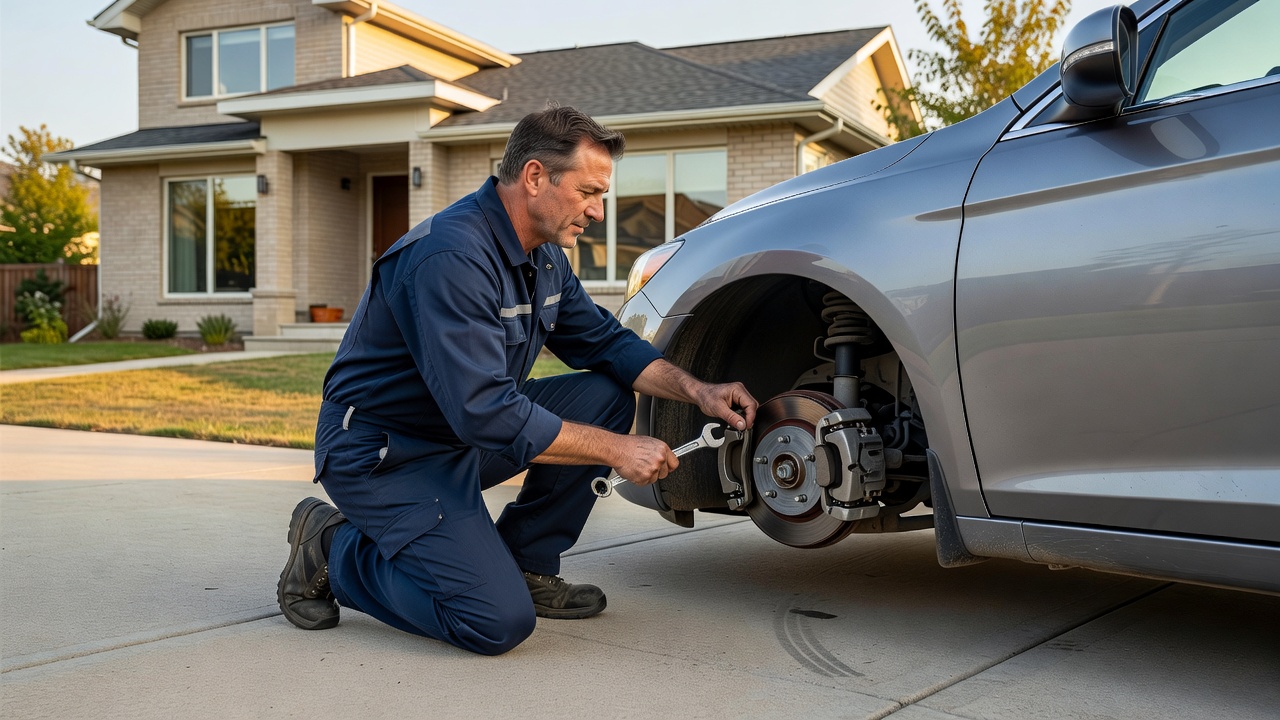
Remove the wheel to access the brake pads. Check the thickness of the brake pads. If they are less than 1/4 inch thick, it's time to replace them. Look for signs of wear, such as uneven wear patterns or glazing.
Step 4: Check Brake Rotors
Inspect the brake rotors for any grooves, cracks, or warping. A smooth surface is critical for effective braking. If the rotors are damaged, consider scheduling a Scarborough brake repair to address the issues.
Step 5: Examine Brake Lines and Fluid
Check the brake lines for any signs of leaks or wear. Ensure that the connections are tight. Next, check the brake fluid level in the reservoir. If it’s low, top it off with the recommended fluid type. Always use high-quality fluid to maintain brake performance.
Step 6: Reassemble and Test
Once you've completed your inspection and made any necessary replacements, reassemble the wheel, lowering the vehicle back to the ground. After everything is secured, take your car for a short test drive to ensure the brakes feel responsive and effective.
Conclusion
Performing a DIY brake inspection is a straightforward process that can help you avoid costly Scarborough engine repairs or brake-related issues while on the road. By being proactive, you ensure a safer driving experience for your summer adventures.
FAQ
How often should I inspect my brakes?
It’s a good practice to inspect your brakes at least once a year or before long trips. Regular checks can prevent major issues.
What are signs that my brakes need repair?
Common signs include squeaking noises, vibrations when braking, or a soft brake pedal. If you notice any of these, it’s time to inspect your brakes.
Can I replace brake pads myself?
Yes, replacing brake pads can be done at home with the right tools and knowledge. However, if you're unsure, it’s best to consult a professional.
Where can I find Scarborough auto repair services?
There are various local shops available, and you can also find services online for specific needs like Scarborough oil change or brake repairs.
Is it safe to drive with worn-out brakes?
No, driving with worn-out brakes is extremely dangerous. It’s essential to address any brake issues immediately to ensure your safety on the road.