Condo Balcony Drain Cleaning & Sealing Tips Toronto
· maintaincenter.com
Why Proper Balcony Drain Maintenance Matters in Toronto
Toronto's climate, characterized by wet springs and rainy summers, combined with the city's aging condo buildings, makes balcony drain maintenance critical. Balcony drains are the first line of defense against water pooling, which can lead to structural damage, mold growth, and costly plumbing repair. For condo and apartment owners, especially in multi-unit buildings, keeping balcony drains clear and well-sealed protects your investment and maintains compliance with local building codes.
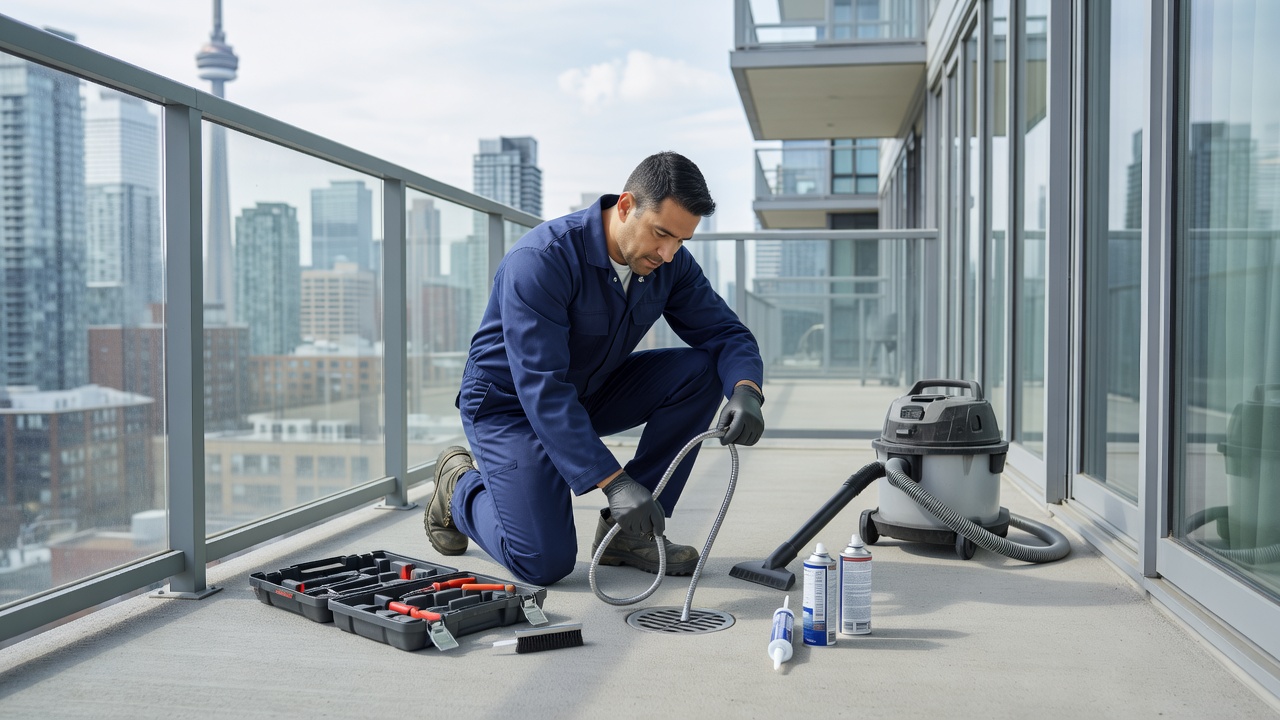
Step 1: Routine Drain Cleaning to Prevent Clogs
Drain cleaning is essential to avoid blockages caused by leaves, dirt, and debris accumulation. Experienced plumbers recommend:
- Regularly removing surface debris from balcony floors and drain grates.
- Using a plumber's snake or hydro-jetting service to clear internal drain pipes, ideally twice a year, especially before and after summer.
- Scheduling professional plumbing service inspections to identify potential issues early.
DIY drain cleaning can be effective for minor clogs, but persistent backups require professional attention to avoid pipe damage.
Step 2: Effective Sealing to Stop Water Leaks
Sealing balcony drains prevents leaks that can seep into building structures. Follow these pro tips:
- Inspect drain seals annually, paying attention to cracks or gaps around the drain flange.
- Use high-quality waterproof sealants compatible with outdoor conditions and Toronto’s freeze-thaw cycles.
- Consider replacing worn or outdated drain components during handyman services visits to ensure long-term durability.
Proper sealing not only avoids water damage but also reduces the need for expensive leak repair later.
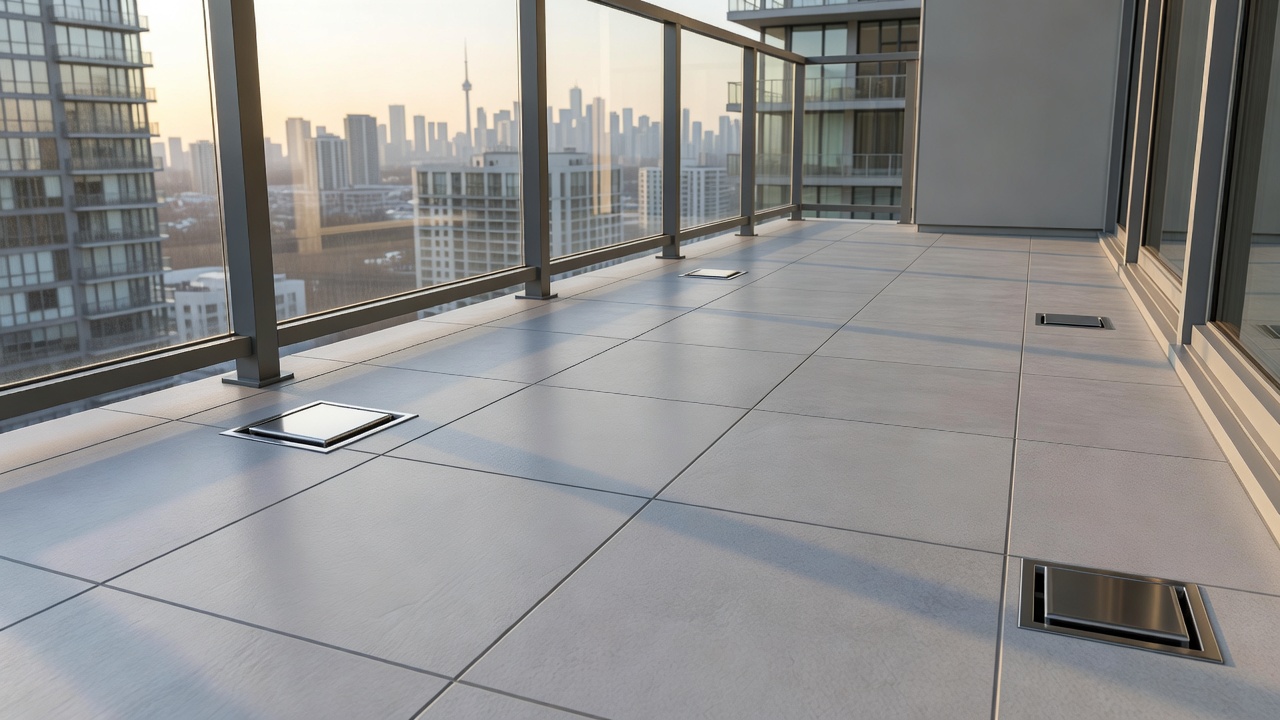
Step 3: Additional Money-Saving Plumbing Tips from the Pros
- Address any signs of slow drainage immediately to prevent pipe corrosion or overflow.
- Schedule faucet installation or repair work during regular maintenance visits to save on service fees.
- Document maintenance activities and share with your condo board to encourage building-wide upkeep, which reduces collective repair costs.
Working with a licensed plumber ensures your balcony drains are maintained according to Toronto’s plumbing codes and best practices.
Local Considerations for Toronto Condo Owners
Toronto’s older condos often have balcony drainage systems integrated with the building’s main waterproofing membrane. This means improper drain cleaning or sealing can cause water infiltration into common areas or neighboring units, leading to complicated plumbing repair and insurance claims. Be proactive and partner with trusted local professionals familiar with Toronto’s housing stock.
Conclusion
Regular drain cleaning, proper sealing, and timely plumbing service are essential steps to protect your condo balcony from water damage. By following these best practices, you save money on expensive leak repair and extend the lifespan of your balcony’s drainage system. Contact a verified pro through MaintainCenter.
FAQ
How often should balcony drains be cleaned?
It’s recommended to clean balcony drains at least twice a year, typically in spring and fall, to prevent blockages caused by seasonal debris.
Can I seal balcony drains myself?
While minor sealing can be done DIY, it’s best to hire a professional plumber to ensure waterproofing is done correctly and complies with Toronto building codes.
What are signs my balcony drain needs plumbing repair?
Signs include slow drainage, water pooling on the balcony, unpleasant odors, or visible leaks below the balcony. Early plumbing repair prevents further damage.
Do I need a permit for drain sealing or plumbing work in Toronto?
Minor maintenance typically doesn’t require a permit, but significant plumbing repairs or modifications usually do. Always consult with a licensed plumber familiar with local regulations.
How does Toronto’s climate affect balcony drainage?
Freeze-thaw cycles can cause cracks in seals and pipes, making regular inspection and maintenance crucial to prevent leaks and water damage.