Common Deck Waterproofing Mistakes for Toronto Townhouses
· maintaincenter.com
Introduction
Deck waterproofing is an essential maintenance task for townhouse owners in Toronto, especially given the city's climate with its cold winters, wet springs, and hot summers. Proper waterproofing prevents water damage, wood rot, and structural issues. However, many homeowners make avoidable mistakes when scheduling and performing deck waterproofing, which can lead to costly repairs and shortened deck lifespan. This article covers the most common errors and how to avoid them.
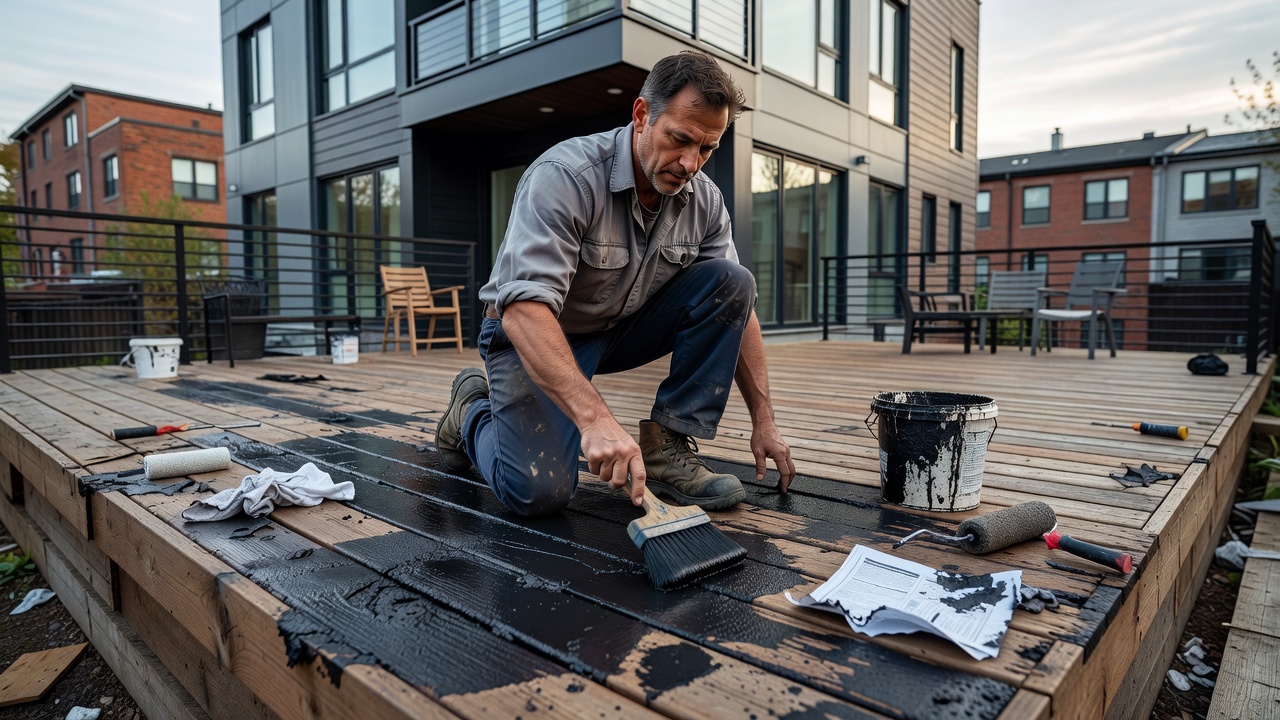
Why Waterproofing Matters for Toronto Townhouse Decks
Toronto’s freeze-thaw cycles and heavy precipitation can infiltrate unprotected decks, causing cracks, warping, and mold growth. Townhouses, often built with closely spaced wooden decks and limited drainage, require diligent waterproofing to protect the substructure and prevent damage to adjoining units.
Waterproofing painting treatments are a popular choice as they seal the surface, repel moisture, and preserve wood integrity. But timing, preparation, and application quality are key to effectiveness.
Common Mistakes in Scheduling Deck Waterproofing
1. Scheduling During Toronto's Unpredictable Weather
Many homeowners attempt waterproofing too early or late in the season. Early spring in Toronto can still be cold and wet, hindering paint adhesion and drying. Conversely, late fall may not provide sufficient drying time before winter.
Best Practice: Schedule deck waterproofing between late May and early September when temperatures are consistently above 10°C and rain forecasts are minimal.
2. Waiting Too Long Between Waterproofing Cycles
Some townhouse owners neglect regular maintenance, allowing waterproofing layers to degrade. This neglect accelerates wood deterioration and often leads to more expensive repairs.
Best Practice: Inspect and reapply waterproofing paint every 2-3 years, or sooner if signs of wear appear.
3. Ignoring the Need for Professional Assessment
Assuming all decks are the same, some homeowners skip an assessment to check wood condition or existing damage. Waterproofing over damaged wood can trap moisture and worsen problems.
Best Practice: Have a pro inspect your deck before waterproofing to identify repairs or replacements needed.
Common Mistakes During Deck Waterproofing Application
1. Inadequate Surface Preparation
Failure to clean the deck thoroughly or remove old peeling paint leads to poor adhesion of waterproofing products. Dirt, mildew, and debris reduce coating effectiveness.
Best Practice: Power wash, sand rough spots, and remove all loose material before painting.
2. Applying Waterproofing Paint on a Damp Surface
Painting on wet or damp wood traps moisture underneath the coating, which can cause bubbling and peeling later.
Best Practice: Ensure the deck is completely dry for at least 24-48 hours before applying waterproofing paint.
3. Using the Wrong Type of Waterproofing Product
Some homeowners choose products not suitable for Toronto townhouse decks or that do not meet local building code requirements, resulting in insufficient protection.
Best Practice: Use high-quality, breathable waterproofing paints designed for exterior wood and compatible with Toronto’s climate.
4. Inconsistent Application Thickness
Applying too thin a layer leaves the deck vulnerable, while too thick a coat can crack and peel. Uneven coverage creates weak spots prone to water infiltration.
Best Practice: Follow manufacturer instructions for recommended coats and use consistent application methods.
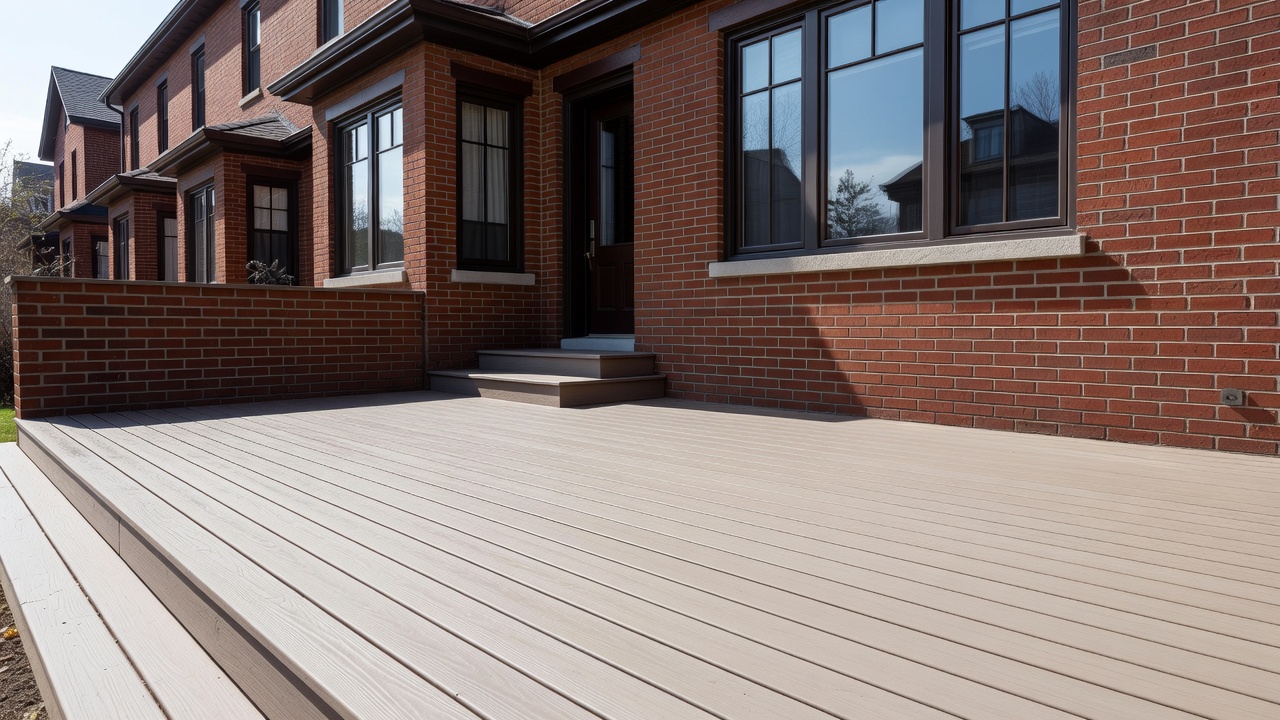
Additional Tips for Toronto Townhouse Deck Waterproofing
- Inspect and maintain deck caulking and flashing around joints to prevent leaks.
- Keep gutters and downspouts clear to avoid water pooling near decks.
- Consider scheduling waterproofing alongside other maintenance like painting services for efficiency.
- Consult with local pros familiar with Toronto townhouse construction and climate challenges.
Why Hiring a Professional Matters
Professional contractors understand Toronto’s unique weather patterns and building practices. They ensure proper scheduling, surface prep, and product selection to maximize waterproofing lifespan. A pro can also coordinate related maintenance such as handyman services for repairs discovered during inspection.
FAQ
When is the best time to waterproof my townhouse deck in Toronto?
The ideal window is late spring to early fall (late May to early September) when temperatures are above 10°C and there’s minimal rain.
How often should I reapply waterproofing on my deck?
Generally, every 2-3 years, depending on wear and exposure. Regular inspection helps determine timing.
Can I waterproof my deck myself or should I hire a pro?
DIY is possible but professionals ensure proper prep, product choice, and application, reducing risk of costly mistakes.
What problems can arise from waterproofing too late in the season?
Late-season waterproofing may not dry properly before winter, trapping moisture and causing damage.
What type of waterproofing product works best for Toronto townhouse decks?
High-quality, breathable exterior wood waterproofing paints designed for freeze-thaw climates are recommended.
Contact a verified pro through MaintainCenter.