Basement Summer Renovation Improves Air Quality in GTA Homes
· maintaincenter.com
Introduction
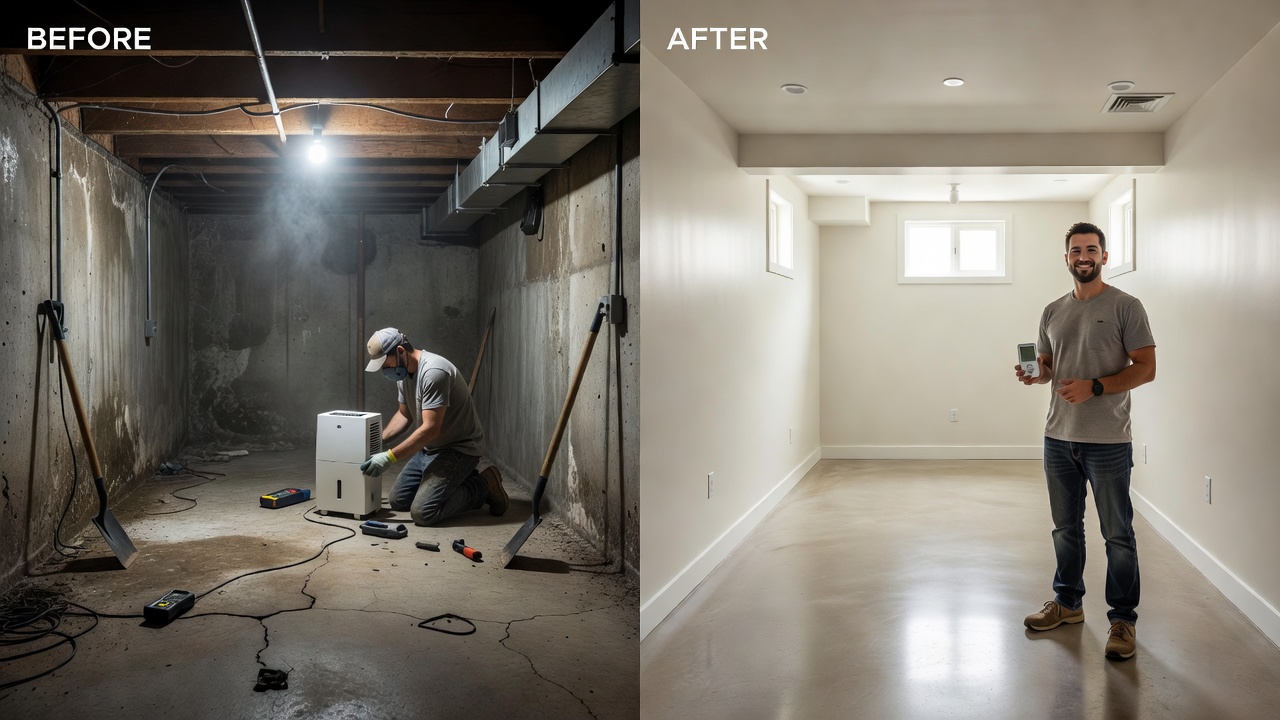
Summer in the Greater Toronto Area (GTA) can bring high humidity levels that often exacerbate indoor air quality issues, especially in detached house basements. Many homeowners face musty odors, dampness, and poor ventilation during the warmer months, which can impact comfort and health. Recently, a detached house owner in Toronto undertook a comprehensive basement renovation focusing on HVAC improvements to tackle these challenges. This before-and-after transformation story highlights how targeted upgrades improved air quality and reduced humidity, making the basement a more livable space.
Challenges of Basement Air Quality in Toronto Detached Houses
Basements in older Toronto homes often suffer from poor ventilation, inadequate insulation, and high moisture levels due to the humid summer climate and the city's aging housing stock. These factors contribute to:
- Persistent dampness and mold growth
- Musty odors and stale air
- Increased allergy and respiratory issues
Our client’s basement had many of these issues. The existing HVAC setup was outdated, providing uneven air circulation and no dedicated humidity control. Additionally, the basement walls showed signs of moisture infiltration common in GTA homes due to seasonal heavy rains and groundwater levels.
Planning the Basement Renovation
The renovation plan focused on improving air quality and controlling humidity through HVAC system enhancements and structural improvements. Key steps included:
- Installing a high-efficiency dehumidifier integrated with the HVAC system
- Upgrading the ventilation system to increase fresh air intake and exhaust stale air
- Sealing basement walls and floors using waterproofing materials suitable for Toronto’s climate
- Adding insulation and vapor barriers to reduce moisture penetration
- Improving ductwork layout to ensure even airflow throughout the basement
During this process, the homeowner also consulted with experts to explore complementary upgrades like upgrading to energy-efficient windows and implementing a smart thermostat for better climate control.
Execution of HVAC Upgrades
Working with a certified HVAC contractor, the renovation included the installation of a modern HRV (Heat Recovery Ventilator) system designed for basement environments. This system brings in fresh outdoor air while exhausting stale indoor air, recovering heat energy to maintain efficiency. The integrated dehumidifier actively managed moisture levels, keeping relative humidity between the ideal 40-50% range.
Additionally, duct sealing and insulation minimized air leaks, ensuring that conditioned air reached all basement areas consistently. These HVAC improvements were critical in transforming the basement from a damp, uncomfortable space into a healthy, breathable environment.
Before and After Results
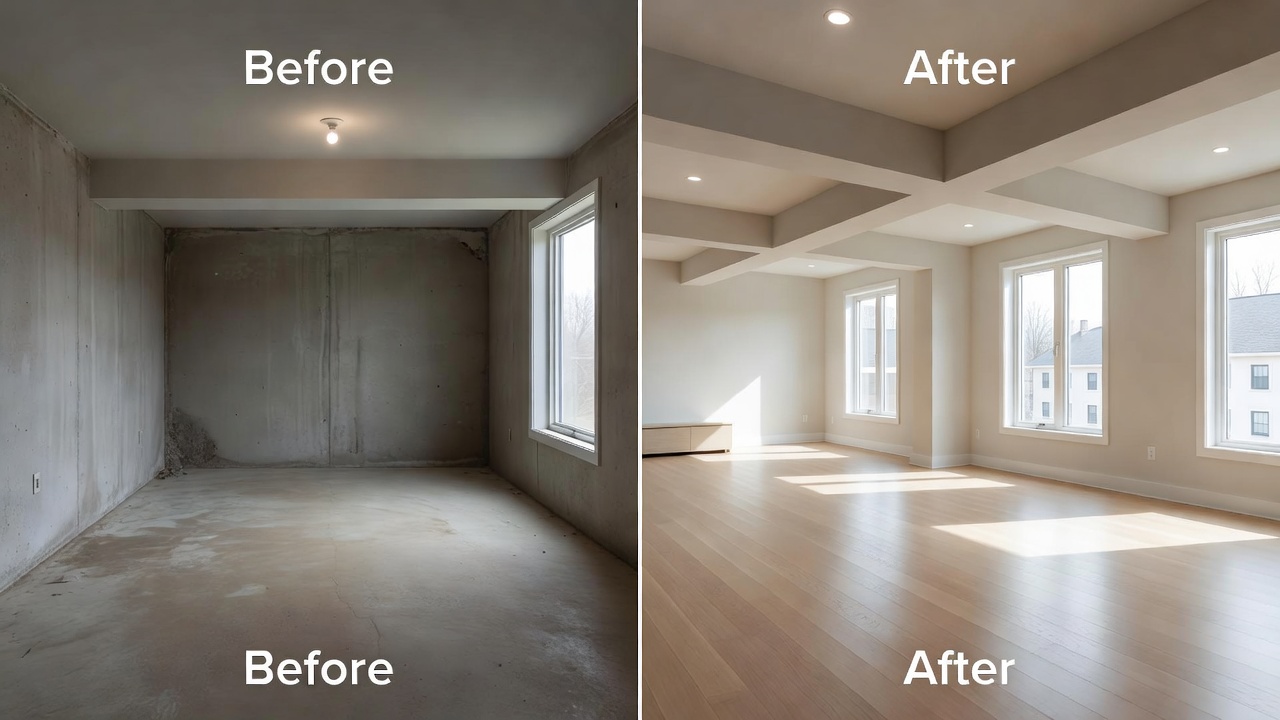
Before: The basement had noticeable musty odors, visible mold spots, and felt humid and stuffy during summer. The old HVAC system struggled to maintain airflow and temperature, contributing to uneven comfort levels.
After: Post-renovation, the basement experienced a significant reduction in humidity, eliminating dampness and musty smells. Air quality improved markedly, with better ventilation reducing allergens and mold risk. The basement became a functional living space suitable for use year-round, even during Toronto’s humid summers.
Additional Benefits and Considerations
This basement renovation also yielded secondary benefits valuable in the GTA context:
- Energy Efficiency: Upgraded HVAC equipment and insulation reduced energy consumption, lowering utility bills.
- Home Value: Improved basement conditions increased the property’s market appeal in the competitive Toronto real estate market.
- Compliance: The project adhered to Toronto building codes related to ventilation and moisture control.
For homeowners considering similar projects, maintaining regular HVAC maintenance and monitoring humidity levels can sustain these improvements long-term.
Related Services to Consider
Alongside HVAC upgrades, homeowners may want to explore other home improvement services to complement basement renovations, such as Toronto plumbing services to address potential leaks, or handyman services for general repairs and finishing work.
FAQ
How does humidity affect basement air quality?
High humidity promotes mold growth and stale air, causing musty odors and potential health issues. Controlling humidity improves comfort and air safety.
Why is HVAC important in basement renovations?
Proper HVAC systems provide ventilation, temperature control, and humidity management, essential for creating a healthy basement environment.
What are some signs my basement needs an air quality upgrade?
Look for persistent dampness, mold spots, musty smells, and respiratory discomfort among occupants as indicators.
Can I perform these HVAC upgrades myself?
HVAC upgrades should be done by certified professionals to ensure safety, compliance, and optimal system performance.
Is basement waterproofing necessary for air quality improvement?
Yes, sealing walls and floors to prevent water intrusion is crucial in controlling humidity and preventing mold.
Contact a verified pro through MaintainCenter.