Attic Ventilation Mistakes Causing Summer Heat in Toronto...
· maintaincenter.com
Introduction
Summer in Toronto can bring intense heat and humidity, making proper attic ventilation essential for detached homes. Many homeowners overlook attic ventilation, leading to excessive heat buildup that strains HVAC systems and increases cooling costs. Understanding the common mistakes related to attic ventilation can help Toronto homeowners maintain a comfortable indoor climate and protect their home’s structural integrity.

Why Attic Ventilation Matters in Toronto Summers
Toronto's climate features hot summers with temperatures often exceeding 30°C (86°F). Detached homes, especially older ones with traditional insulation and roofing materials, are prone to attic overheating if ventilation is inadequate. Proper attic ventilation:
- Reduces heat buildup that transfers into living spaces
- Prevents moisture accumulation that can damage insulation and wood framing
- Prolongs the lifespan of roofing materials by reducing heat stress
- Improves HVAC efficiency by lowering the cooling load
Common Attic Ventilation Mistakes Made by Toronto Homeowners
1. Insufficient Ventilation Openings
Many detached homes in the Greater Toronto Area have inadequate soffit or ridge vents. Without enough intake and exhaust vents, hot air gets trapped, causing temperatures to soar.
2. Blocking Soffit Vents
Homeowners often block soffit vents inadvertently with insulation or storage items, which restricts airflow. Proper installation of baffles to keep soffit vents clear is critical.
3. Relying Solely on Exhaust Vents
Exhaust vents like ridge or gable vents need corresponding intake vents to function properly. Without balanced intake, exhaust vents cannot draw out hot air effectively.
4. Ignoring Attic Insulation Layers
In Toronto’s older housing stock, insulation may be compromised or improperly installed, reducing the attic’s ability to block heat transfer even if ventilation is adequate.
5. Not Considering HVAC Integration
Sometimes HVAC ductwork runs through attics without proper sealing or insulation, adding to heat buildup and inefficiency.
How to Correct These Mistakes
Improving attic ventilation involves a few strategic steps:
- Increase Vent Area: Ensure soffit vents provide sufficient intake area complementary to ridge or gable exhaust vents.
- Install Vent Baffles: Keep insulation away from soffit vents to maintain airflow.
- Inspect and Upgrade Insulation: Use proper insulation materials suitable for Toronto’s climate to reduce heat transfer.
- Seal HVAC Ducts: Properly seal and insulate ducts running through the attic to prevent heat gain.
- Consult HVAC Professionals: For tailored solutions that optimize both ventilation and cooling system efficiency.
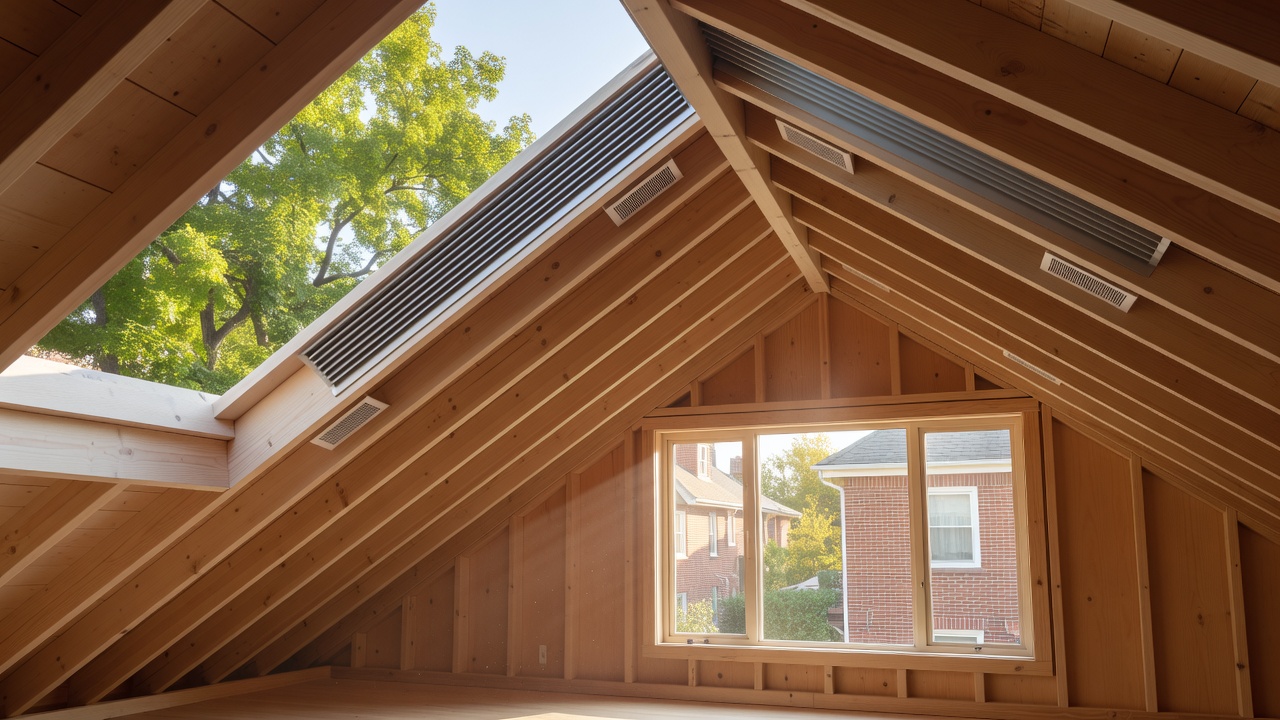
Additional Considerations for Toronto Homes
Toronto’s building codes emphasize energy efficiency and proper ventilation. Many detached homes, especially those built before the 1990s, may not meet these modern standards. Retrofitting attic ventilation not only improves comfort but can also enhance home value and compliance with local regulations.
Beyond ventilation, consider complementary home maintenance services. For example, roofing inspections can identify damaged shingles that trap heat, while HVAC services can optimize your system's performance during peak summer months.
Conclusion
Overlooking attic ventilation is a common cause of summer heat buildup in Toronto’s detached homes. By addressing ventilation openings, insulation, and HVAC integration, homeowners can significantly improve indoor comfort and reduce cooling costs. Don’t wait for the next heatwave to act — proper attic ventilation is a smart investment for any Toronto homeowner.
FAQ
How can I tell if my attic ventilation is inadequate?
Signs include excessively hot upper floors in summer, ice damming in winter, or visible moisture and mold in the attic. Professional inspections can provide a definitive assessment.
Are ridge vents better than gable vents for Toronto homes?
Ridge vents combined with soffit intake vents typically provide more balanced and effective ventilation than gable vents alone, especially in Toronto’s climate.
Can I improve attic ventilation myself?
While minor improvements like clearing soffit vents can be DIY, installing vents or upgrading insulation is best handled by professionals to meet code and ensure effectiveness.
Does attic ventilation affect my HVAC bills?
Yes, proper ventilation reduces attic temperatures, lowering the cooling load on your HVAC system and reducing electricity bills during hot Toronto summers.
Is attic ventilation important in winter as well?
Yes, ventilation helps prevent moisture buildup and ice dam formation on roofs, protecting your home year-round.
Contact a verified pro through MaintainCenter.