Air Conditioner Condensate Drain Line Cleaning in GTA Sum...
· maintaincenter.com
Why Clean Your Air Conditioner Condensate Drain Line in Toronto Condos?
During the hot and humid summers typical of the Greater Toronto Area (GTA), air conditioners work overtime to keep your condo comfortable. One crucial but often overlooked component is the condensate drain line. This line removes the water that your air conditioner extracts from indoor air. If clogged, it can lead to water damage, mold growth, and reduced HVAC efficiency — risks that are especially concerning in condo and apartment homes where shared infrastructure and building codes require proper maintenance.
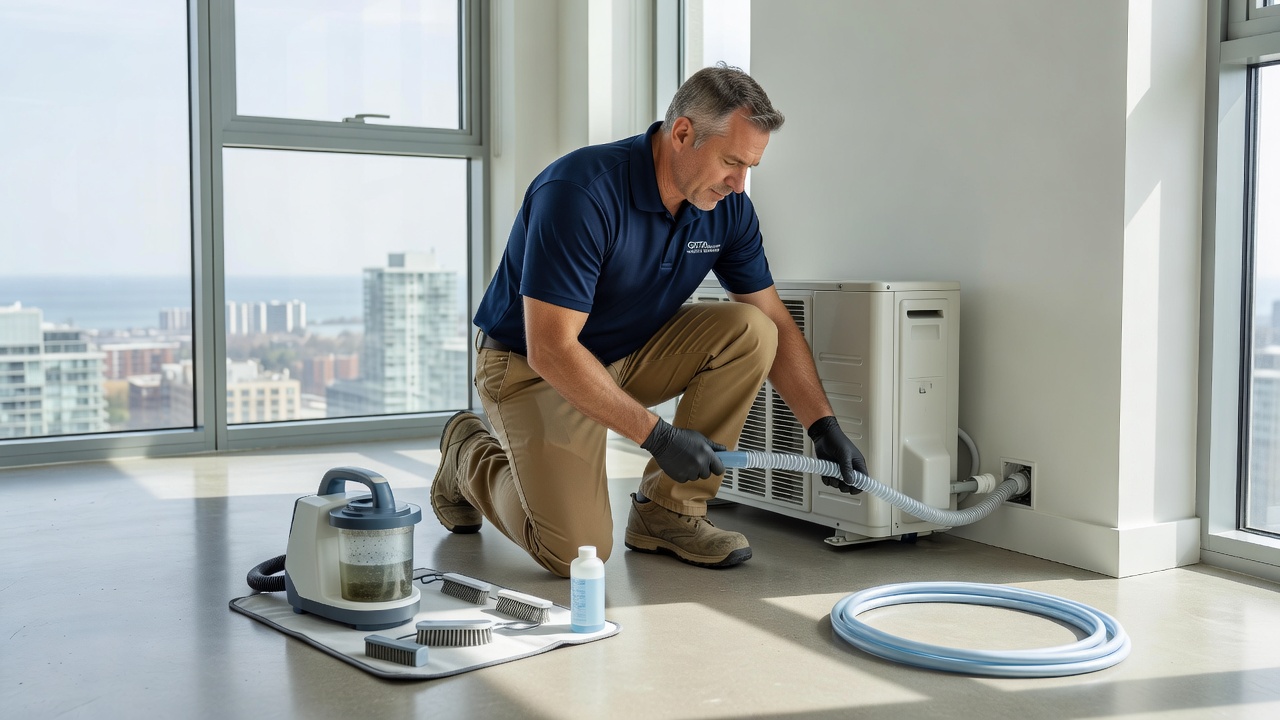
Seasonal Maintenance Checklist: Cleaning Your AC Condensate Drain Line
Follow these practical steps to ensure your air conditioner's condensate drain line stays clear and functional throughout the hot GTA summer months.
1. Turn Off Your HVAC System
Before starting any maintenance, switch off your HVAC system to ensure safety. You can do this at the thermostat or the circuit breaker panel.
2. Locate the Condensate Drain Line
In most Toronto condos, the condensate drain line is a small PVC pipe near your indoor air handler or furnace. It usually exits through a wall or floor and leads to a drain or outside the building.
3. Inspect the Drain Line and Pan
Check the drain line and the condensate pan under the air handler for any standing water, algae buildup, or debris. Standing water can cause mold and water damage to your condo unit.
4. Use a Wet/Dry Vacuum to Clear the Drain
Attach a wet/dry vacuum to the drain line's end to suck out any clogs or blockages. In Toronto’s humid climate, algae and mold tend to build up, so this step is critical.
5. Flush the Drain Line with Vinegar or Bleach Solution
Pour a cup of white vinegar or a diluted bleach solution (1 part bleach to 10 parts water) into the drain line access point inside your unit. Let it sit for 30 minutes to kill mold and algae, then flush with water.
6. Check the Drainage
Pour water into the condensate pan and observe if it drains quickly through the line. Slow drainage may indicate a persistent clog requiring professional attention.
7. Restore Your HVAC System
Once the line is clear and dry, turn your HVAC system back on and monitor for any unusual water leakage or error codes.
Additional Tips for Toronto Condo Owners
- Schedule Annual HVAC Maintenance: Professional inspections before summer can prevent costly damage.
- Know Your Building's Rules: Some condos have specific regulations regarding maintenance access and disposal.
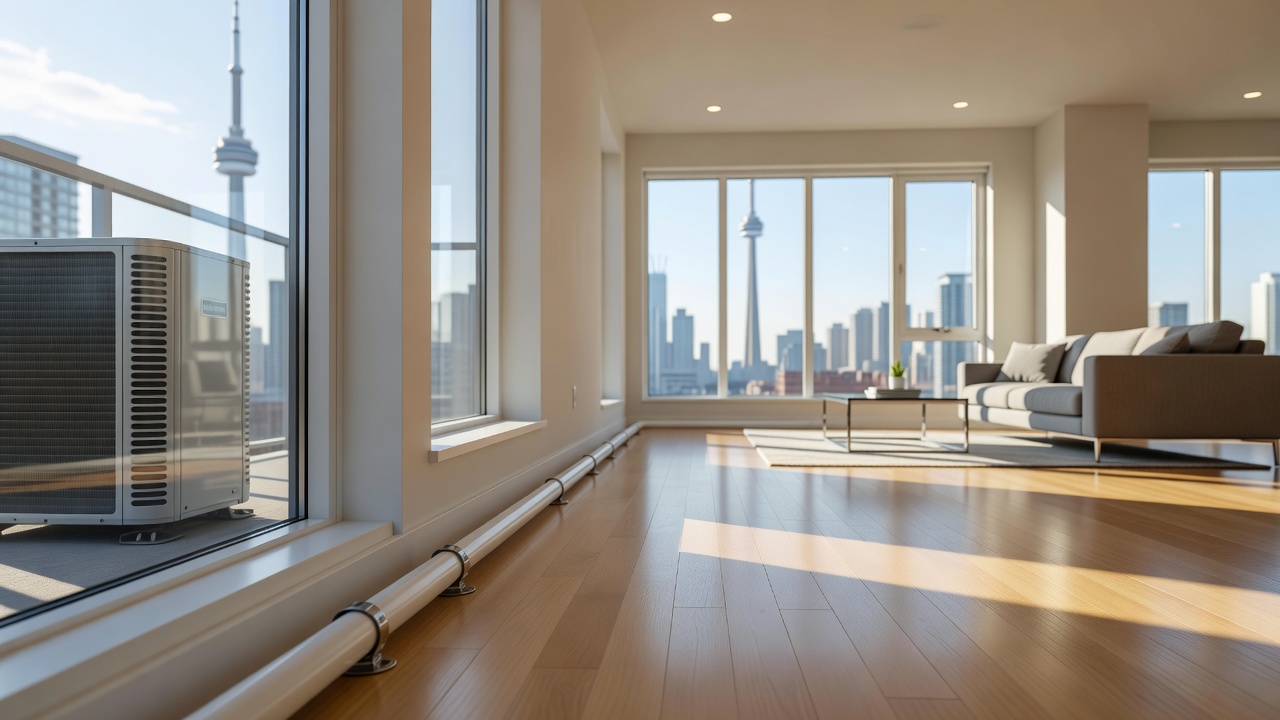
- Be Mindful of Shared Systems: In some buildings, condensate lines tie into communal drainage — proper upkeep is critical to avoid affecting neighbors.
Why Hire Professionals?
If you’re uncomfortable performing these steps or notice persistent issues, consider contacting certified HVAC or plumbing specialists in Toronto. Certified pros understand local codes and the unique challenges of condo systems, ensuring safe and effective maintenance. Explore HVAC services or Toronto plumbing services through MaintainCenter to find trusted experts near you.
FAQ
How often should I clean my AC condensate drain line in Toronto condos?
It's best to clean the condensate drain line at least once every summer season, especially before peak heat periods, to prevent clogs caused by humidity and debris.
What are signs of a clogged condensate drain line?
Common signs include water leakage around your indoor unit, musty odors, or your AC shutting off due to safety sensors detecting water buildup.
Can I use chemical cleaners on my condensate drain line?
Yes, mild solutions like white vinegar or diluted bleach help clear algae and mold safely, but avoid harsh chemicals that could damage pipes or violate condo regulations.
Is condensate water safe to drain into my condo’s plumbing system?
Generally, condensate is clean water and can drain into plumbing drains, but check your building’s rules and local codes to ensure compliance.
What if I notice mold in my condensate pan or drain line?
Mold growth means the drain line is clogged or drainage is slow. Thorough cleaning or professional service is recommended to prevent indoor air quality issues.
Contact a verified pro through MaintainCenter.